Beyond the Melody: The Poetic Roots
When examining the Red Hot Chili Peppers’ track "I Could Die for You," the initial impression might be one of straightforward rock energy, typical of the band’s infectious sound. However, lurking beneath the surface is a rich tapestry of poetic influence that elevates the songwriting to a realm far beyond mere pop sensibility.
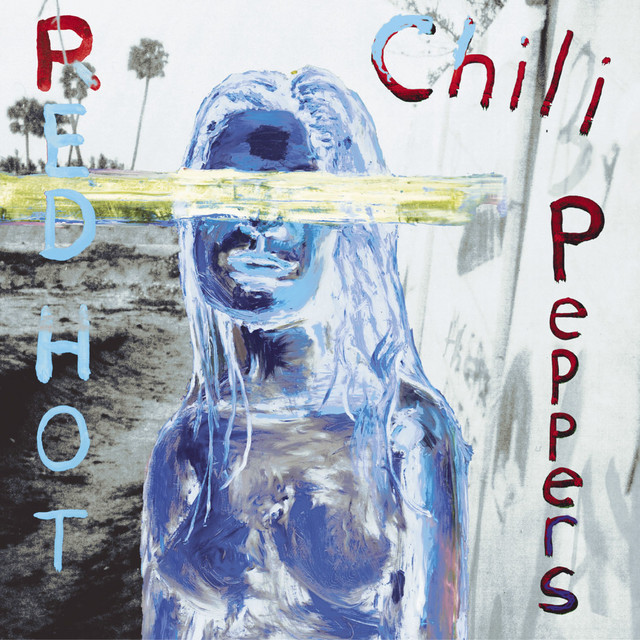
Released on the 2002 album By the Way, the song showcases Anthony Kiedis’s unique lyrical style, which often blends personal reflection with vivid imagery. The album itself marks a pivotal moment in the band’s evolution, showcasing their ability to marry introspection with their signature funk-rock sound.
Kiedis: The Poet of Emotion
Kiedis has long been celebrated as a lyricist who channels raw emotion through his words. In "I Could Die for You," he captures the essence of love and vulnerability with striking precision. The song's chorus,
, is deceptively simple yet carries the weight of a thousand unspoken feelings."I could die for you / I could die for you / I could die for you / I could die for you"
This repetition is not just a musical device; it reflects the obsessive nature of love, echoing the works of poets who have traversed similar themes. Kiedis’s ability to distill complex emotions into a few poignant lines allows listeners to feel the intensity of his devotion.
The Influence of Structure and Rhythm
Structurally, the song also reveals a poetic sensibility. Kiedis employs a rhythm that dances between the lyrical and the melodic, reminiscent of spoken word poetry. The verses transition seamlessly, creating an ebb and flow that keeps the listener engaged while maintaining the emotional core of the song.
Did you know? By the Way was produced by Rick Rubin, who has been instrumental in shaping the band’s sound since the early 90s.
Imagery and Metaphor
The imagery in this track is another testament to Kiedis’s poetic prowess. Lines that evoke visual metaphors serve not only to enhance the emotional impact but also to invite listeners into a more intimate experience. The phrase,
, suggests a deep understanding of another’s soul, akin to the way poets often seek to illuminate the unseen corners of human experience."I can see you in the dark"
This vivid imagery allows listeners to paint their own pictures, making the song’s emotional landscape feel personal and relatable. Kiedis’s knack for pairing abstract concepts with concrete images enriches the listening experience, transforming it into something profound.
Personal Reflection and Universality
Another layer is added when considering the personal context behind the lyrics. Kiedis’s experiences with love, heartbreak, and vulnerability are woven into the fabric of the song, allowing listeners to connect on a deeper level. The blend of personal reflection with universal themes of love and sacrifice is a hallmark of great poetry, and Kiedis embodies this tradition effortlessly.
This personal touch is what makes "I Could Die for You" resonate beyond the typical love song. Kiedis’s willingness to expose his vulnerabilities invites listeners to explore their own feelings, creating a shared experience that transcends individual narratives.
The Legacy of Poetic Influence
In the broader context of By the Way, "I Could Die for You" stands out as a testament to the band’s growth. It’s not just a song; it’s a reflection of Kiedis’s evolution as a lyricist influenced by the poetry that came before him. The track combines rock's visceral energy with poetry's introspective nature, showcasing a balance that few artists achieve.
As the Red Hot Chili Peppers continue to evolve, the influence of poetry in their work remains a defining characteristic. With songs like "I Could Die for You," they remind listeners that rock music can be both an art form and a vehicle for emotional exploration.