The Pulse of the Times
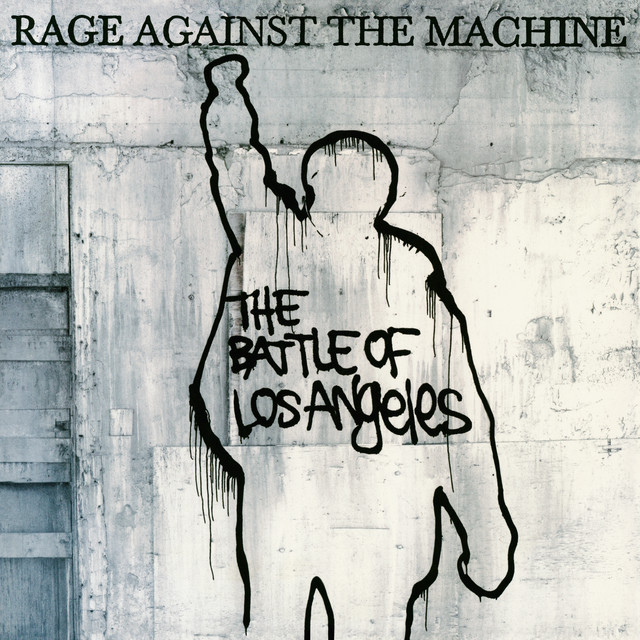
Rage Against the Machine's "Testify" is not just an electrifying opener; it’s a raw reflection of the political unrest permeating the late 1990s. Released in 1999 as part of their third studio album, *The Battle of Los Angeles*, the song captures a moment when discontent was palpable, and the need for rebellion was urgent.
The band's frontman, Zack de la Rocha, has never shied away from addressing societal issues. With lyrics that challenge authority and provoke thought, "Testify" encapsulates the frustration felt by many facing systemic injustices. The song’s driving riff and aggressive vocals serve as a rallying cry for those disillusioned by the political landscape.
A Turbulent Era
The late '90s were marked by a series of global events that ignited public outcry. From the controversial presidential election in the United States to the rise of anti-globalization protests, the era was ripe for Rage's incendiary message. The album's title itself, *The Battle of Los Angeles*, signals a fight against the status quo, reinforcing the notion that the personal is political.
In "Testify," de la Rocha sings about the manipulation of truth and the power dynamics at play in society. When he proclaims,
, he echoes a sentiment that was especially relevant in an age of misinformation and media spin. This lyric serves as a stark reminder that history is often rewritten by those in power, diminishing the voices of the oppressed."Who controls the past now controls the future!"
The Sound of Rebellion
The sonic landscape of "Testify" complements its lyrical urgency. Produced by the band along with veteran producer Brendan O'Brien, the track features a combination of heavy guitar riffs and explosive drumming that mirrors the chaos of the times. The sound is almost a call to arms, urging listeners to wake up and take action.
The visceral energy of Rage Against the Machine is palpable in every note. The band’s signature fusion of rock, punk, and hip-hop creates an atmosphere that feels both confrontational and empowering. As the track builds, it feels less like a song and more like a movement.
Activism and Artistry
Rage Against the Machine has always positioned themselves at the intersection of music and activism. Their commitment to social justice is woven into their identity, and "Testify" is a prime example of how they use their platform to challenge listeners. The urgency in de la Rocha's voice reflects a collective frustration that took shape during protests against globalization and inequality.
In live performances, "Testify" serves as a high-energy focal point, igniting crowds to chant along with its powerful messages. The song not only captures the spirit of the time but continues to resonate with younger generations grappling with similar issues today.
The Legacy of 'Testify'
As we reflect on the legacy of "Testify," it’s clear that its influence is enduring. Political unrest has not diminished; it has evolved. The themes of truth, power, and resistance remain relevant, underscoring the importance of speaking out against injustice.
Did you know? *The Battle of Los Angeles* debuted at number one on the Billboard 200 chart, showcasing the band's mainstream impact.
Rage Against the Machine’s ability to funnel the anger and frustration of their time into compelling music is what sets them apart. "Testify" stands as a testament to their artistry and the power of music as a catalyst for change, reminding us that the fight for justice is ongoing.