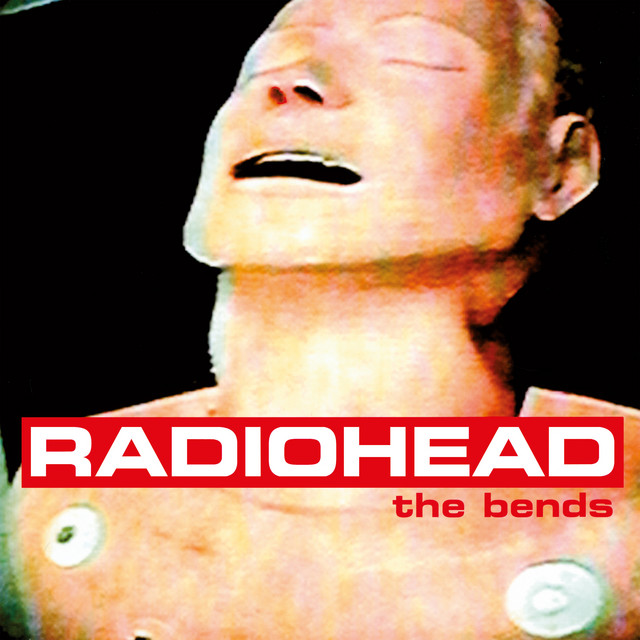
The Bends and the Darkness Within
Released in 1995, Radiohead's "Street Spirit (Fade Out)" stands as a haunting testament to the struggles of mental health. Featured on their second studio album, "The Bends," the track emerged from a period when frontman Thom Yorke grappled with feelings of alienation and despair, a theme that permeates the album.
Produced by John Leckie, who also worked with The Stone Roses, the song’s minimalistic instrumentation juxtaposes Yorke's ethereal vocals. It's a sonic landscape that invites listeners into a space of vulnerability, offering a glimpse into the depths of emotional turmoil.
Lyrics That Speak to the Soul
Yorke's lyrics are stark and unflinching. Lines like
convey a sense of suffocation that many individuals battling mental health issues can relate to. The imagery of isolation, represented by the houses, reflects the overwhelming weight of societal expectations and personal struggles."Rows of houses, all bearing down on me"
The refrain,
, is particularly poignant. It serves as a metaphor for the feeling of slipping away from reality and the people around you. This cyclical nature of despair resonates with those who feel trapped in their own minds."Fade out, fade out"
A Shift in Cultural Perception
In recent years, the discussions surrounding mental health have grown louder, and "Street Spirit (Fade Out)" has found new life as an anthem within this movement. The song's dark themes resonate with a generation that is increasingly open about mental health struggles. It’s no longer just about the music; it’s about the conversation it sparks.
During the pandemic, for instance, the track saw a resurgence in streams as people sought solace in its melancholic embrace. The ongoing acknowledgment of mental health issues in public discourse has allowed the song to serve as a poignant reminder that it's okay to not be okay.
The Power of Music as a Healing Tool
Music often acts as a balm for the soul, and Radiohead has been at the forefront of this healing journey. "Street Spirit (Fade Out)" is not merely an expression of despair; it also provides a sense of community. Listeners find comfort in knowing that others share their pain, which is crucial in breaking the stigma surrounding mental health.
Interesting fact: "Street Spirit (Fade Out)" was Radiohead's first top-five entry on the UK singles chart, marking a significant moment in their rise to fame.
The song’s ethereal quality, combined with its lyrical depth, allows it to transcend beyond mere auditory pleasure. It becomes a vessel for expression, encouraging listeners to confront their feelings rather than suppressing them.
The Legacy of 'Street Spirit' in Mental Health Advocacy
As mental health awareness continues to grow, so does the relevance of Radiohead's work. "Street Spirit (Fade Out)" stands as a cornerstone within the broader conversation about mental health, reminding us that struggles are often shared and that vulnerability can foster connection.
In many ways, Radiohead’s ability to articulate feelings of despair and isolation has laid the groundwork for open discussions about mental health in music. Artists today often cite the band’s influence, using their platform to advocate for mental health awareness and encourage others to seek help.
Ultimately, "Street Spirit (Fade Out)" is more than just a song; it’s a powerful anthem that validates the experiences of many. Its haunting melody and poignant lyrics remind us of the importance of embracing our feelings and supporting one another in the journey toward mental wellness.