Unearthing the Roots
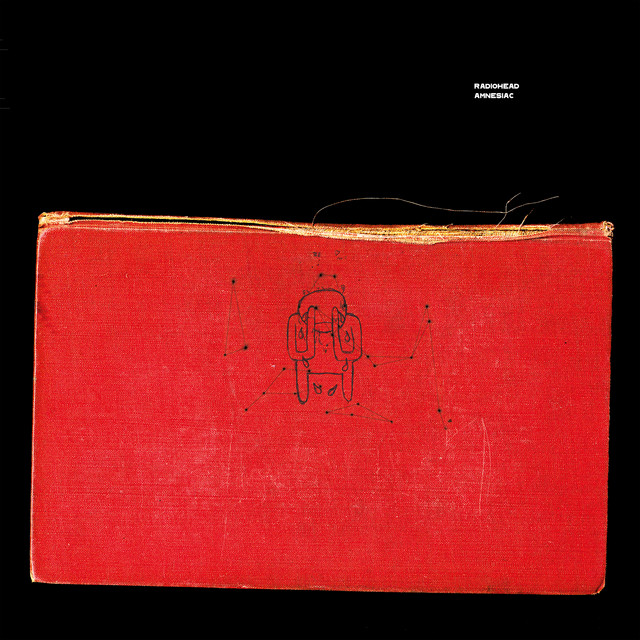
Released in May 2001 as the lead single from their fifth studio album, Amnesiac, Radiohead's "Pyramid Song" stands as a haunting meditation on death, the afterlife, and the cyclical nature of existence. With its lush instrumentation and ethereal melodies, the track evokes a sense of timelessness, drawing listeners into a world where ancient influences linger. Chief among these influences are the rich cultural and spiritual legacies of ancient Egypt.
Echoes of the Afterlife
The song’s title alone evokes the grandeur of the pyramids, which were built as tombs for pharaohs, symbolizing their journey to the afterlife. The lyrics reflect this preoccupation with mortality and transcendence. Thom Yorke's vivid imagery encapsulates a sense of reverence for the unknown. The line,
echoes the ancient Egyptian belief in the soul's journey through the afterlife, a belief that was central to their civilization."And we rise and we fall"
The River and the Journey
Yorke’s lyrics further reference the River Nile, a crucial element in both ancient Egyptian life and spirituality. The Nile represented fertility, nourishment, and the passage to the afterlife. The lines,
invoke the imagery of this life-giving water, suggesting a deeper existential journey. Just as the Nile was seen as a pathway to the afterlife, Yorke’s lyrical journey traverses themes of death, rebirth, and the cyclical nature of existence."The river’s deep / The river’s deep"
Ritual and Rebirth
Musically, "Pyramid Song" incorporates elements that feel ritualistic, enhancing its ancient themes. The piano's slow, deliberate tempo creates a meditative atmosphere, akin to the solemnity of a burial ceremony. This is further amplified by the use of polyrhythmic drumming, reminiscent of traditional African music, which can also trace its roots back to ancient practices.
A Spiritual Lens
Yorke’s fascination with spirituality and existential inquiry shines through in "Pyramid Song." His reflections bring to mind the Egyptian concept of Ma'at, which represents truth, balance, and cosmic order. The lyric
can be interpreted as a nod to the celestial navigation that guided ancient Egyptians, symbolizing hope and guidance in the darkness of death."There’s a moon in the sky / It’s a light"
Radiohead recorded "Pyramid Song" in the wake of their experimental album Kid A, marking a return to more traditional song structures while still pushing boundaries.
Existential Reflection
The song's themes extend beyond ancient Egypt, touching on universal questions about existence and the afterlife. The haunting refrain invites listeners to ponder their own mortality, mirroring the introspective nature of ancient Egyptian texts like the Book of the Dead, which offered guidance for the soul's journey.
Cultural Resonance
In the context of the post-9/11 world, as "Pyramid Song" was released shortly after the tragic events of September 11, 2001, its themes resonated even deeper. The anxieties surrounding death and the unknown were palpable, making the song not just an exploration of ancient themes, but a reflection of contemporary fears and uncertainties.
A Lasting Legacy
Ultimately, "Pyramid Song" is more than just a nod to ancient Egypt; it’s a rich tapestry of existential inquiry that invites listeners to reflect on their own lives and deaths. By weaving together these ancient influences, Radiohead crafts a song that transcends time, urging us to confront our mortality with a sense of wonder and introspection.