The Song's Creation
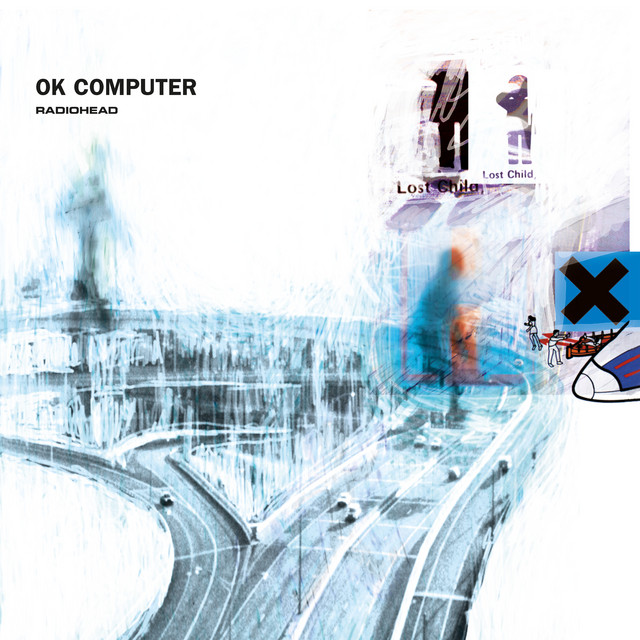
Radiohead’s "Exit Music (For A Film)" is an eerie encapsulation of longing and escape, crafted for Baz Luhrmann's 1996 adaptation of Shakespeare's classic, Romeo + Juliet. Released on their seminal album, OK Computer in 1997, the track channels the film's tragic narrative through its haunting instrumentation and Thom Yorke’s ethereal vocals.
Written specifically to play during the film's credits, the song serves as a poignant farewell, mirroring the themes of desperation and love that permeate the story. Luhrmann’s version of the play is a frenetic, modern reimagining, yet it retains the universal melancholy of Shakespeare’s original text, which is echoed in Radiohead's composition.
Thematic Resonance
The most striking element of "Exit Music" is the palpable sense of escape embedded in its lyrics. The song opens with a whispered, almost sinister tone, as Yorke pleads,
This line captures the essence of Juliet’s plight — a desperate yearning for freedom from her family’s expectations and societal constraints."Wake from your sleep, the drying of your tears..."
In the film, this moment acts as a cathartic release, pulling viewers from the chaos of Verona into the realm of personal sorrow. The juxtaposition of the film's colorful visuals with Radiohead’s stark sound creates a haunting backdrop, mirroring the couple's doomed love.
Soundscape and Mood
Musically, "Exit Music" is sparse yet layered, with its gentle guitar strumming and haunting strings creating a melancholic soundscape. The production, overseen by the band themselves, captures the intimate vulnerability of the lyrics while simultaneously evoking a sense of impending doom. The gradual build of tension throughout the track parallels the escalating conflict in the film, culminating in a sense of unresolved yearning.
Interesting fact: Radiohead was given the freedom to create a song that reflected their artistic vision, allowing for a deeply personal connection to the film's narrative.
Cinematic Impact
The film’s closing scene, set against the backdrop of "Exit Music," elevates the emotional weight of both the song and the narrative. As the credits roll, viewers are left with a lingering sense of loss, perfectly encapsulated by Yorke’s haunting delivery of the line,
This defiance resonates with Juliet’s struggle, a final push against the forces that conspire against her."We hope that you choke, that you choke on your lies..."
In many ways, the song is a character in itself, embodying the emotional turmoil of the protagonists. The desperate plea for escape becomes a haunting echo of their tragic fate, cementing the connection between Radiohead's art and Luhrmann's vision.
Legacy and Influence
Years after its release, "Exit Music (For A Film)" continues to be a touchstone in both music and cinema. Its integration into the film not only solidified Radiohead’s place as a band willing to push boundaries but also showcased how music can enhance visual storytelling. The track’s influence extends beyond just the film, as it has been covered and referenced by countless artists, a testament to its lasting impact.
Radiohead's ability to capture the essence of despair and longing in a mere four minutes is a reminder of the power of music in film. It’s a collaboration that transcends time, echoing the tragic love story of Romeo and Juliet while remaining a standalone masterpiece in the band’s discography.