The Birth of a Generation's Anthem
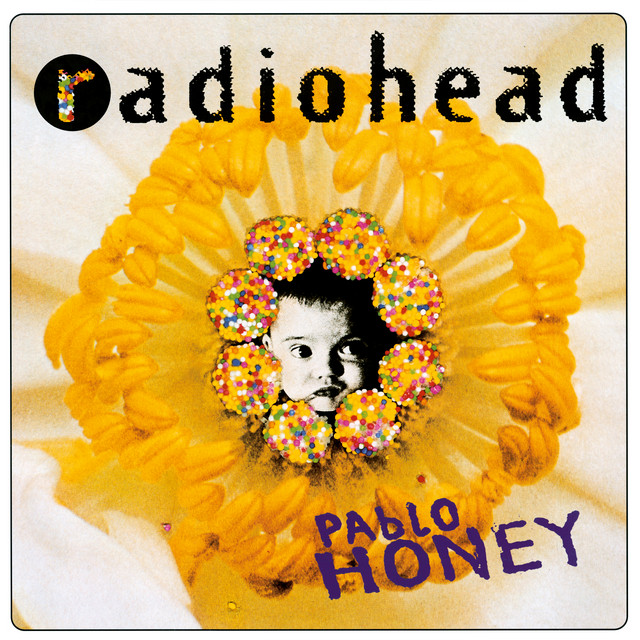
Released on September 21, 1992, Radiohead's debut single "Creep" is often viewed as a defining moment for the band and the alternative rock genre. Initially included on their album Pablo Honey, it wasn't until its reissue in 1993 that the song catapulted to international fame, reaching number seven on the UK singles chart. The haunting lyrics and Thom Yorke's raw vocal delivery captured the essence of alienation and self-loathing, emotions that would resonate profoundly with listeners, particularly the disaffected youth.
The Rise of Internet Culture
Fast forward to the age of social media and meme culture, and "Creep" has found a new life. The song's themes of inadequacy and outsider status have become emblematic of the internet's often dark underbelly. In forums and social media posts, the chorus—"I'm a creep, I'm a weirdo"—has been co-opted to express the feelings of countless individuals navigating the complexities of modern life. This was particularly evident during the 2020 pandemic, where isolation and anxiety surged, making the song's message more relevant than ever.
Memes, Remixes, and TikTok
On platforms like TikTok, snippets of "Creep" are frequently used in videos that explore themes of unrequited love or social awkwardness. Users have turned the song into a soundtrack for personal stories, enhancing its narrative power. The line
encapsulates the confusion and despair many young people feel, making it a perfect accompaniment to relatable, often humorous, content."What the hell am I doing here?"
In 2016, the song was covered by Post Malone and became a viral hit, further cementing its place in contemporary music culture.
Music as a Reflection of Identity
Radiohead's music has always been intertwined with notions of identity and existentialism. In a world where online personas can often feel like facades, "Creep" lays bare the discomfort that comes with self-examination. The line
speaks to the heart of social media's illusion: the fear of not fitting in, even in a space designed for connection."I don't belong here"
The Dark Side of Nostalgia
However, the song's popularity also highlights the darker aspects of nostalgia. As younger generations discover "Creep," they may romanticize feelings of alienation without fully grasping the pain that inspired them. The track serves as both a comfort and a reminder of the struggles many face, yet it risks becoming a mere aesthetic for some—an emblem of a cool sadness rather than a genuine expression of pain.
A Legacy That Continues
Ultimately, the influence of "Creep" on modern internet culture is undeniable. Its themes of isolation, self-doubt, and longing have transcended generations, making it a timeless anthem for the outcasts. Radiohead's ability to articulate feelings that many struggle to express has ensured that their music remains relevant, even decades after its release.
As we continue to navigate the complexities of our digital lives, the haunting echoes of "Creep" remind us that we are not alone in our struggles. It's a testament to the power of music to connect us, even in the most fragmented of times.