The Anthem of Disenchantment
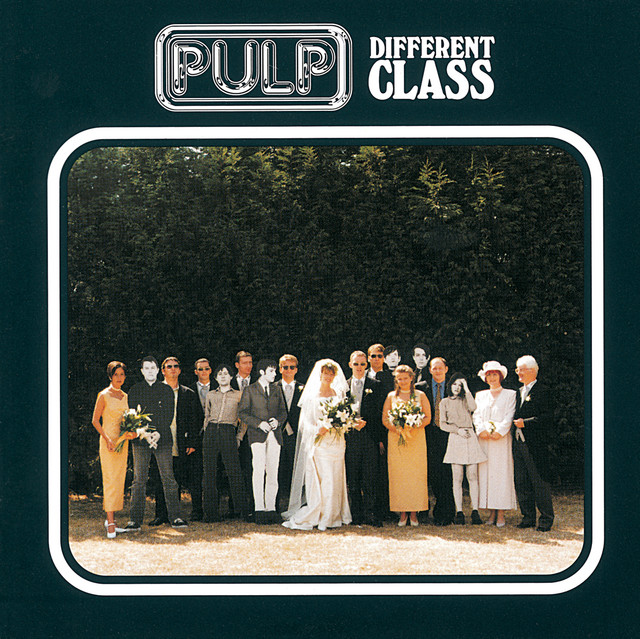
When Pulp released "Common People" in May 1995, they didn’t just launch a catchy Britpop single; they gave a voice to a generation of disenchanted working-class youth. This track, the lead single from their fifth studio album, *Different Class*, resonates with the frustrations and aspirations of ordinary people who feel sidelined by society.
A Story of Class Conflict
Written by frontman Jarvis Cocker, the song tells the story of a rich girl who wants to experience the life of the working class. Cocker’s biting lyrics reveal the inherent disconnect between her romanticized view of poverty and the harsh realities faced by those he describes as "common people."
"I want to live like common people, I want to do whatever common people do."
These lines highlight a naive desire to escape privilege, underscoring the irony of wanting to experience struggles without truly understanding them. Cocker’s voice drips with sarcasm, illustrating the disillusionment felt by many in the 90s.
Britpop and Its Social Commentary
In the midst of Britpop’s rise, when bands like Oasis and Blur were redefining UK music, Pulp stood apart with their sharp social commentary. "Common People" became an anthem not just for its catchy chorus but for its unflinching critique of class disparity. It was a rallying cry for the working class, a group often overlooked in the grand narratives of British culture.
In April 2014, *BBC News* voted "Common People" as the top Britpop anthem, solidifying its place in music history.
The Sound of the Times
Produced by the renowned Steve Osborne, the song features a blend of jangly guitars, driving basslines, and a punchy drumbeat that encapsulates the energy of the mid-90s. This sound was unmistakably Britpop, yet Pulp’s approach was distinctly their own, marrying catchy melodies with biting social critique.
Cultural Impact and Legacy
"Common People" transcended its era, becoming a cultural touchstone that continues to resonate today. Its message is timeless, reflecting a struggle that many still face. The song’s chorus has been adopted in various protests and movements, proving its relevance beyond the 90s. It speaks to anyone who feels marginalized or unheard.
The Everyday Heroism
What makes "Common People" so compelling is its celebration of everyday struggles. Cocker’s vivid storytelling invites listeners into the lives of people who work hard and dream big despite their circumstances. The song’s infectious energy encourages a sense of solidarity among the working class, turning individual struggles into a collective anthem.
"You’ll never live like common people, you’ll never do what common people do."
These lines serve as a stark reminder that while some may romanticize the working-class experience, they will never fully understand it. This truth strikes a chord, making the song a timeless critique of privilege.
Conclusion: A Lasting Legacy
"Common People" remains a quintessential part of British music history, not just for its infectious sound but for its profound commentary on social class. As we look back at the 90s, it’s clear that Pulp didn’t just create a hit; they crafted an anthem that continues to inspire and unite the working class, making it a defining moment in the Britpop era.