The Boldness of 'Darling Nikki'
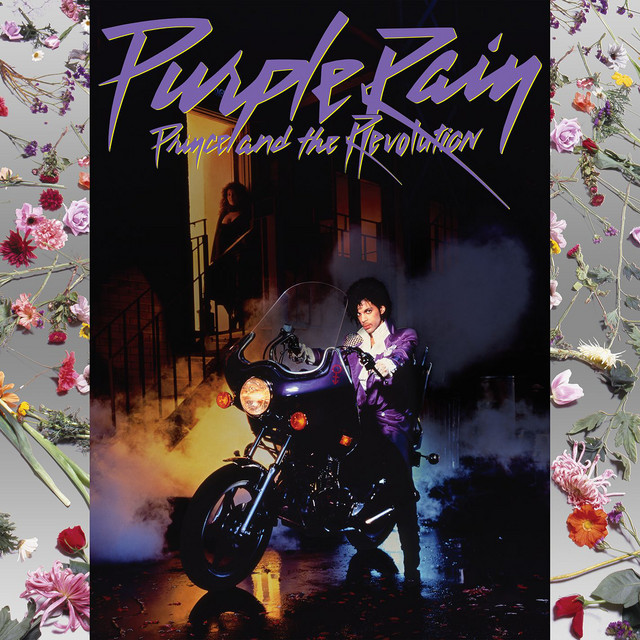
Released in 1984 on his seminal album Purple Rain, Prince's 'Darling Nikki' stands as a watershed moment in the intersection of music and censorship. The track, a provocative exploration of sexuality, addiction, and desire, showcases Prince's fearless approach to themes that many artists of the time were afraid to tackle.
With its pulsating synths and relentless beat, 'Darling Nikki' opens with a raw energy that immediately sets the tone. Lines like
lay bare the song's unapologetic narrative. It’s not just a song; it’s a declaration, both musically and lyrically, that pushes boundaries."I knew a girl named Nikki, I guess you could say she was a sex fiend"
Censorship and the PMRC
The song's explicit content quickly attracted attention from the Parents Music Resource Center (PMRC), a Washington D.C.-based organization founded in the mid-1980s to advocate for the labeling of music with explicit content. Their infamous “Filthy Fifteen” list included 'Darling Nikki', which only heightened the song’s notoriety. The lyrics' frank depiction of sexual themes and the line
made it a target for those who felt that music should adhere to a certain moral standard."she took me to her castle and I just couldn't believe my eyes"
In response, Prince stood his ground. He didn’t shy away from the controversy but instead used it to amplify his message. This pushback against censorship wasn’t just personal; it was a statement that would resonate through the music industry and beyond. The debate surrounding 'Darling Nikki' helped to ignite discussions about artistic freedom, paving the way for future generations of musicians to explore themes of sexuality without fear of retribution.
The Ripple Effect
'Darling Nikki' not only influenced public discourse but also shifted the music industry’s landscape. It opened doors for artists who wanted to express themselves authentically—be it in hip-hop, rock, or pop. The shockwaves of the song can be felt in the works of later artists like Madonna, who similarly faced backlash for her risqué content.
Interesting fact: The song's explicit content inspired the creation of the Parental Advisory label, which has since become a standard in the music industry.
Moreover, the controversy surrounding 'Darling Nikki' inadvertently led to a more liberated dialogue in popular culture about sexuality. In the decades following its release, artists like Cardi B and Lil Nas X have embraced similar themes, often with even bolder narratives. They stand on the shoulders of giants like Prince, who dared to speak his truth in a time of societal pushback.
A Cultural Shift
Prince's audacious approach to songwriting in 'Darling Nikki' had a lasting impact on how music is perceived. It challenged the status quo and forced both the industry and listeners to confront uncomfortable truths. The song's legacy is not just in its melody but in its cultural significance—serving as a reminder that art often reflects society's deepest complexities.
Ultimately, 'Darling Nikki' remains a symbol of artistic defiance, illustrating the power of music to provoke thought and inspire change. Prince’s boldness continues to challenge today's artists to explore the full spectrum of human experience without fear of censorship. In an age where explicit content is often normalized, it’s essential to remember the battles fought to pave the way for that freedom.