The Heartbreaking Context Behind 'Youth of the Nation'
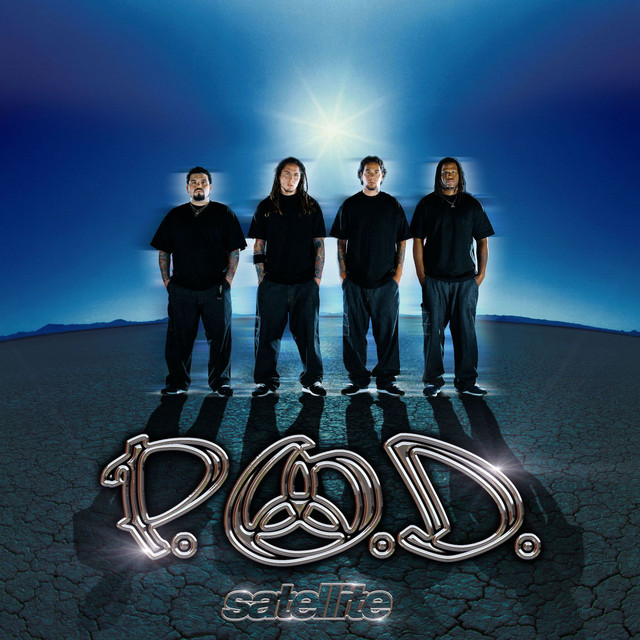
When P.O.D. released "Youth of the Nation" on November 27, 2001, as the second single from their album Satellite, it was both a commercial triumph and an emotional juggernaut. The song climbed the charts, solidifying the band's status in the nu-metal scene that blended heavy riffs with introspective lyrics. Yet, the true power of the track lies in its connection to real-life tragedies that struck a chord across a generation.
The song was born out of the aftermath of a school shooting and the tragic deaths of two teens, which deeply affected the band members, particularly frontman Sonny Sandoval. The lyrics convey a sense of sorrow and confusion, capturing the shockwaves that such events send through communities. Lines like
reflect a lost innocence, a theme that resonates with anyone who has witnessed the senseless loss of life."We were, we were, we were young / And we were, we were, we were strong"
More Than Just a Song
"Youth of the Nation" isn't merely a reaction to a singular event; it's a commentary on the broader societal issues that lead to such tragedies. The band tackles the cycle of violence and the questions that linger long after the news cycle has moved on. Lyrics that pose questions like
urge listeners to reflect on what could have been done differently, driving home the urgency for change."What if we could turn back time?"
Released in the wake of the Columbine High School shooting, the song became an anthem for a disillusioned youth grappling with their own fears and uncertainties. P.O.D.'s blend of heavy guitar riffs and sincere lyrics provided a cathartic outlet for listeners, allowing them to process their grief and anger.
A Cultural Reflection
The impact of "Youth of the Nation" extended beyond music, influencing conversations about gun violence, mental health, and the responsibilities of society in protecting its youth. P.O.D. didn't shy away from addressing these complex issues; instead, they used their platform to foster dialogue. The song's success—a triple platinum certification—demonstrates that audiences were hungry for something real amidst the noise.
P.O.D. stands for Payable on Death, reflecting the band's Christian roots and their exploration of life, death, and redemption in their music.
Moreover, the poignant imagery in the music video, featuring a narrative that highlights the fragility of life, further amplified the song's message. It serves as a visual reminder that behind every statistic lies a story, a family, and a community forever changed. The haunting refrain of
lingers long after the song has ended, a reminder of mortality and the importance of cherishing every moment."In the end, we all have to say goodbye"
The Legacy of 'Youth of the Nation'
As the years pass, the relevance of "Youth of the Nation" remains undiminished. Its themes echo in today’s society, where school shootings and youth violence continue to plague communities. The song serves as a timeless reminder of the need for vigilance and compassion. P.O.D. managed to craft a song that not only reflects the zeitgeist of its time but also offers a voice for those grappling with loss.
In a world that often feels desensitized to tragedy, P.O.D. dared to confront uncomfortable truths. "Youth of the Nation" isn’t just a song; it’s a call to action, a plea for understanding, and a reminder that every life lost is a story unfinished. As we listen, we are compelled to ask ourselves what we can do to prevent another tragedy from unfolding.