The Surrealist Influence on 'Monkey Gone to Heaven'
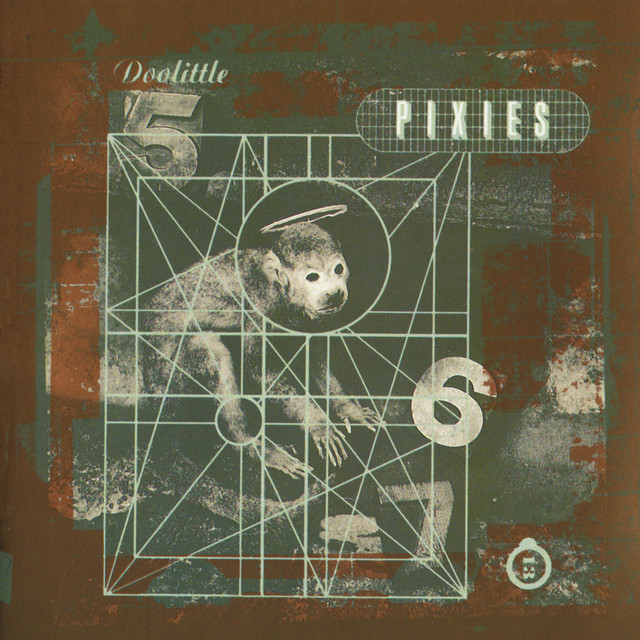
When the Pixies released "Monkey Gone to Heaven" in 1989 on their album Doolittle, they delivered more than just a catchy alt-rock anthem; they crafted a surrealist commentary on humanity's impact on the environment. The song's imagery and themes echo the tenets of surrealism, which sought to challenge perceptions of reality and explore the subconscious.
Surrealism, as an art movement, thrived on the bizarre, the dreamlike, and the startlingly juxtaposed. It aimed to reveal the irrationality of human thought processes, a concept that resonates within the stark lyrics of "Monkey Gone to Heaven." The opening lines set a tone of both whimsy and foreboding, as the narrator grapples with existential questions about the fate of a world ravaged by human irresponsibility.
Nature and Despair
At its core, the song presents a haunting dichotomy: the innocence of nature versus the destructive tendencies of humanity. The line that sticks out most vividly, "If man is five, then the devil is six," serves as a stark reminder of humanity's moral implications. This numerical symbolism plays into the surrealist narrative, suggesting a universe governed by chaotic and incomprehensible rules.
"If man is five, then the devil is six."
Here, the Pixies employ an almost absurd logic to convey the imbalance between man and nature. Just as surrealism often uses irrationality to highlight deeper truths, Black Francis's lyrics strip away the veneer of rational thought, revealing a world where destruction is the only certainty.
The Monkey as a Symbol
The titular monkey serves as a multifaceted symbol. In surrealism, animals often represent the primal instincts and the chaos lurking beneath the surface of civilization. The monkey's journey—its ascent to a heavenly realm—evokes a sense of loss and longing, suggesting that innocence is forever lost amidst the wreckage of human progress. It's a surreal image that prompts listeners to ponder the fate of nature as it collides with greed and apathy.
Recorded in 1988 during sessions for Doolittle, "Monkey Gone to Heaven" was one of the first Pixies tracks that explored environmental themes.
Surrealism's Role in Alternative Rock
The Pixies were not alone in their surrealist leanings; the late '80s and early '90s saw a wave of alternative rock that drew heavily from surrealist art and literature. Bands like R.E.M. and The Talking Heads also incorporated absurdist elements into their work, creating a sonic landscape that was as unpredictable as it was innovative. However, the Pixies' approach felt particularly raw and unfiltered, reflecting the chaotic energy of the movement.
Conclusion: A Legacy of Surrealism
"Monkey Gone to Heaven" stands as a testament to the enduring influence of surrealism on contemporary music. Its combination of whimsical imagery and biting social commentary invites listeners to confront uncomfortable truths about the natural world. While the song's catchy hooks and driving rhythms may lure you in, it's the surrealist undertones that linger long after the last note fades.
As we continue to grapple with the consequences of environmental degradation, the Pixies remind us that art can serve as a mirror to our collective conscience. In this way, surrealism remains a vital lens through which we can examine our reality, even decades after its initial impact.