Commercialism and Desire
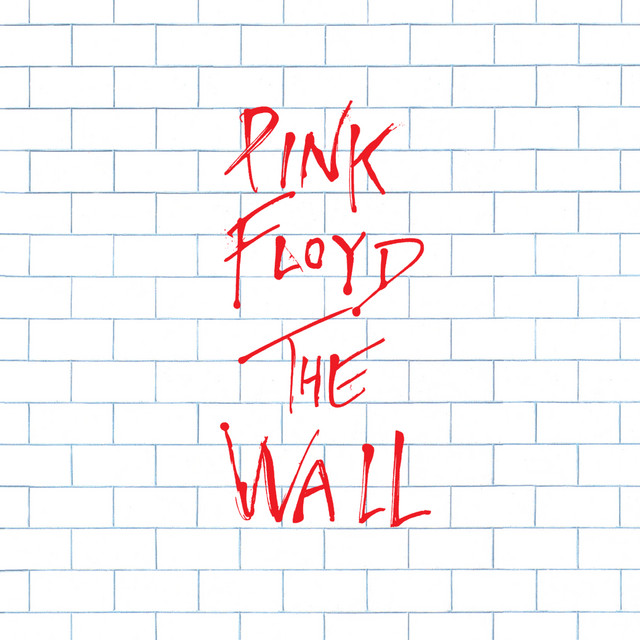
Released in November 1979, Pink Floyd's "Young Lust" stands as a vivid commentary on the clash between human desire and consumer culture. As the ninth track on their ambitious rock opera, The Wall, the song encapsulates the frantic pursuit of pleasure in a world saturated with advertising.
The late 1970s was a decade marked by a surge in advertising that shaped cultural norms around desire and identity. The lyrics of "Young Lust" echo this phenomenon, presenting a character grappling with superficial connections, a reflection of the era's materialistic ethos.
Advertising's Allure
In the song, the protagonist's musings take on a tone that mirrors the seductive language often found in advertisements. The line,
suggests a craving that transcends mere physical need; it's a desire molded by the glossy images and slogans that permeated the media landscape. This yearning for a 'dirty' connection hints at how advertising commodifies intimacy."I need a dirty woman"
The use of blunt, almost transactional language in the lyrics serves to reinforce the sense of disconnection from genuine relationships. The character is not merely seeking love but is instead caught in a cycle of consumption. The 1970s saw a shift in how sexuality was marketed, and Pink Floyd's portrayal of these themes in "Young Lust" critiques this commodification.
Cultural Context and Critique
As part of The Wall, "Young Lust" fits into a broader narrative about isolation and alienation. The character's encounters are riddled with a sense of desperation, a feeling exacerbated by the incessant bombardment of advertisements promising fulfillment through consumption. The song's production, helmed by Bob Ezrin, channels this frenetic energy, with its driving guitars and pulsating rhythm mirroring the chaotic nature of the protagonist's pursuits.
Interestingly, the 1970s advertising boom led to the rise of brands that capitalized on the sexual liberation movement, a theme that permeates much of the music from that era.
What's particularly striking about "Young Lust" is how it captures the essence of a time when the lines between genuine emotion and consumerism blurred. The lyrics reflect a culture that equated personal worth with sexual conquests and material success. In this context, the song becomes not just a critique of a single character's experience, but a commentary on the collective psyche of a generation.
Emotional Disconnect
The rawness of the lyrics, coupled with the pulsating musical backdrop, creates an emotional disconnect that speaks volumes. Lines like
strip the protagonist of any romantic idealism, presenting him as a mere product of his environment—one shaped by the relentless drive for consumption."I'm just a dirty boy"
In many ways, Pink Floyd serves as a mirror to society's flirtation with the superficial. The song's portrayal of lust as a commodity underscores the emptiness that often accompanies such pursuits. It’s a sobering reminder that desire, when intertwined with commercialism, can lead to an insatiable craving for something more, yet ultimately unfulfilling.
A Lasting Legacy
As we reflect on "Young Lust" today, its relevance continues to shine. The themes of advertising's influence on personal desire remain strikingly applicable, particularly in an age dominated by social media and targeted marketing. The song's critique of consumer culture invites listeners to question their own relationships—both with others and with the commercial forces that shape their desires.
Pink Floyd’s ability to weave complex social commentary into their music sets them apart, and "Young Lust" is a prime example of this artistry. By drawing from the zeitgeist of the 1970s advertising boom, they crafted a narrative that resonates with anyone who has felt the pull of consumerism over genuine connection.