The Legacy of a Classic
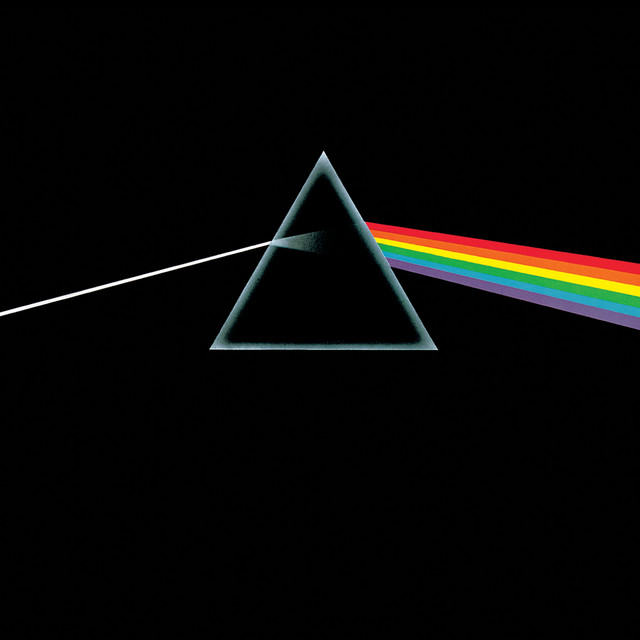
Pink Floyd's "The Great Gig in the Sky" stands as a monumental piece from their 1973 album, The Dark Side of the Moon. With its haunting vocals and ethereal soundscapes, the track not only defined the band's sonic palette but also paved the way for cinematic scores that followed. Its influence can be traced through decades of film music, revealing how a rock band created a template for emotional storytelling in cinema.
The Emotional Weight of Wordless Expression
One of the most striking features of "The Great Gig in the Sky" is its lack of lyrics. Clare Torry's soaring vocal performance conveys a depth of emotion that words often fail to express. This concept of using voice as an instrument rather than a medium for lyrics resonates powerfully in film scoring. Composers like Hans Zimmer and Jóhann Jóhannsson have harnessed this idea, crafting soundscapes that evoke profound feelings without relying on traditional song structures.
"And I am not frightened of dying, any time will do."
This line from the album's opener, "Breathe"—while not part of "The Great Gig in the Sky"—sets the thematic stage for the entire record, which explores mortality and existential contemplation. The seamless transition between tracks in The Dark Side of the Moon creates a narrative flow that modern film scores often mimic. The way Pink Floyd constructs their album can be seen in soundtracks that emphasize continuity and emotional arcs.
The Influence on Contemporary Composers
Zimmer's work on films like Interstellar showcases how he uses organ and strings to create a sense of vastness and urgency. The emotional weight carried by the score echoes the climactic build found in "The Great Gig in the Sky." Similarly, in Arrival, Jóhannsson's score utilizes dissonance and haunting melodies to evoke a sense of wonder and despair, mirroring the ethereal quality of Torry's vocalizations.
Textural Layers in Sound Design
Pink Floyd's innovative use of studio technology in "The Great Gig in the Sky" has had a lasting impact on how sound design is approached in film. The layering of sounds and vocal harmonies creates an immersive experience that modern composers strive for in their scores. This textural layering is evident in films such as Blade Runner 2049, where sound design plays a crucial role in world-building, much like the ambient textures in Floyd's work.
Did you know? Clare Torry's iconic performance was largely improvised, showcasing the raw emotion that can be achieved without a script.
A New Era of Soundtracks
The rise of ambient music in film scores can be traced back to tracks like "The Great Gig in the Sky." Its blend of rock and avant-garde sensibilities opened the door for experimental approaches in film music. Composers are more willing than ever to explore unconventional sounds and structures, resulting in scores that challenge traditional narrative forms.
The Power of the Unconscious
Ultimately, the influence of "The Great Gig in the Sky" on modern cinematic scores lies in its ability to tap into the unconscious. The track's emotional resonance stems from its exploration of themes like death and transcendence—elements that are inherently cinematic. The way Pink Floyd captures the ineffable has inspired a generation of composers to explore deeper emotional territories, pushing the boundaries of what film music can accomplish.
As we continue to see the impact of rock music on contemporary cinema, it’s clear that Pink Floyd's vision has laid the groundwork for future generations. The legacy of "The Great Gig in the Sky" is not just in its sound but in its ability to evoke a profound emotional response, a feat that remains essential in the art of film scoring.