Reflections of a Troubled Era
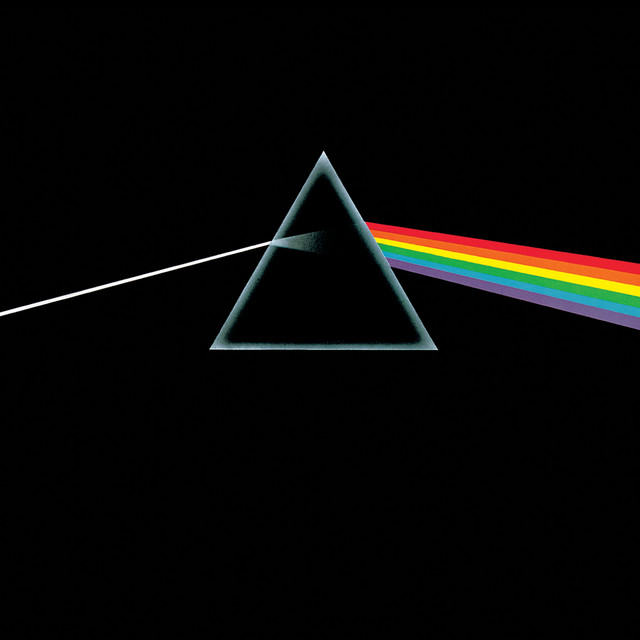
Released in 1973 as part of Pink Floyd's seminal album The Dark Side of the Moon, "Brain Damage" stands as a haunting exploration of mental illness. Its themes resonate deeply with the burgeoning mental health movements of the 1970s, a time when society was finally beginning to confront the stigma surrounding mental health issues.
Roger Waters, the song's writer and vocalist, captures the fragility of the human mind with stark imagery. Lines like
evoke not only a sense of paranoia but also a critique of societal norms. The 1970s were marked by a shift in perspective towards mental health, as the anti-psychiatry movement gained momentum. Influential figures like R.D. Laing challenged traditional views of mental illness, advocating for a more compassionate understanding of those who suffered."The lunatic is on the grass"
The Anti-Psychiatry Movement
The anti-psychiatry movement, which gained traction in the late '60s and early '70s, sought to question the very foundations of psychiatric practices. Waters' lyrics reflect this skepticism, suggesting that what society deems as 'insanity' could simply be a reaction to a world that is itself insane. The line
hints at the invasive treatments of the time, from lobotomies to heavy medication, which many activists argued did more harm than good."You raise the blade, you make the change"
This movement coincided with a growing awareness of mental health issues, fueled by public figures coming forward about their struggles. Pink Floyd's music served as a soundtrack to this cultural awakening, tapping into a collective consciousness that was finally willing to address the uncomfortable realities of mental health.
Personal Struggles and Societal Reflection
Waters' own experiences with mental health, particularly in relation to his father’s death and his bandmates’ struggles, inform the song's emotional depth. The lyric
suggests a longing for understanding and connection amid chaos. This mirrors the sentiments of many during the '70s who were grappling with their identities and mental well-being."And if the dam breaks, I'll see you on the other side"
The rise of therapy and self-help movements during the decade also plays into the themes expressed in "Brain Damage". As more people sought to understand their mental health, they resonated with the idea that acknowledging one’s struggles is a step towards healing. The song’s exploration of madness becomes a metaphor for the societal struggles of the time, challenging listeners to confront their own mental landscapes.
The Enduring Legacy of 'Brain Damage'
Today, "Brain Damage" remains a powerful anthem for mental health awareness. The song's continued relevance speaks to the ongoing struggles faced by individuals dealing with mental illness. The line
highlights the internal battles many fight, a sentiment that has only grown more prominent as mental health discussions evolve."The lunatic is in my head"
The Dark Side of the Moon has sold over 45 million copies worldwide, making it one of the best-selling albums of all time.
As we look back at the '70s and the strides made in mental health advocacy, Pink Floyd's "Brain Damage" stands as both a reflection of its time and a timeless reminder of the complexities of the human mind. The song encapsulates the struggle for understanding and acceptance, urging both individuals and society to embrace the nuances of mental health.