The School of Hard Knocks
Roger Waters' infamous line,
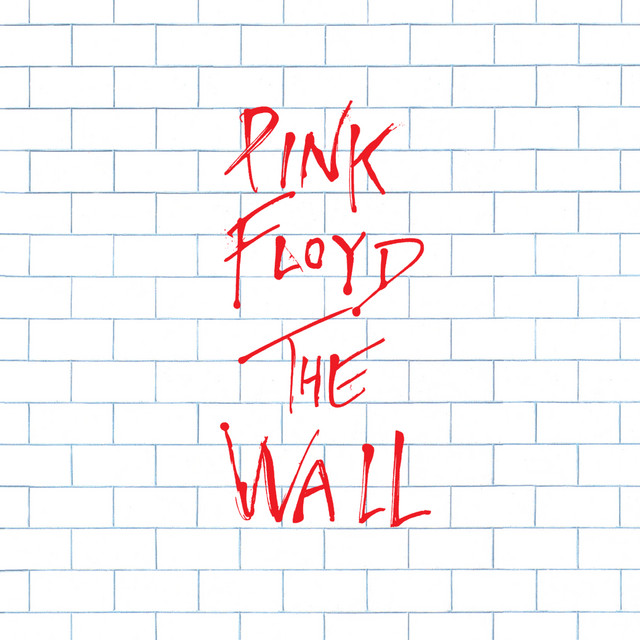
from "Another Brick in the Wall, Pt. 2," is a rallying cry against the oppressive structures of the education system in the UK during the 1970s. This track, part of Pink Floyd's 1979 album The Wall, serves as a profound commentary on how schools can stifle creativity and individuality."We don't need no education"
Waters' own experiences in the British educational system heavily influenced the song. As a product of a rigid and authoritarian school environment, he witnessed firsthand how teachers often prioritized conformity over critical thinking. The phrase,
encapsulates a rebellion not just against educators, but against a system that prioritizes obedience over enlightenment."Hey! Teachers! Leave them kids alone!"
Authoritarian Roots
In the UK, the education system of the 1970s was often characterized by strict discipline and a lack of emotional support. Schools operated under a model that favored rote memorization and compliance, mirroring a broader societal expectation to conform. Waters, whose father was killed in WWII, often felt the weight of loss and authority, themes that permeate The Wall.
The institutional critique in “Another Brick in the Wall, Pt. 2” isn’t merely personal; it’s reflective of a generation’s disillusionment with a system designed to maintain the status quo. The song’s anthemic quality, combined with its biting lyrics, served to unite listeners in a shared rejection of conformity.
Musical Rebellion
The layered production of “Another Brick in the Wall, Pt. 2,” produced by Bob Ezrin, features a children’s choir that adds a chilling contrast to the darker themes of the lyrics. This choice amplifies the sense of collective defiance against authoritarianism. The children’s voices, singing words of rebellion, serve as a haunting reminder that the youth are often the first victims of oppressive systems.
The use of rock music as a vehicle for social commentary was not new, but Waters’ ability to intertwine personal narrative with universal themes of alienation and rebellion set a new standard. The track’s infectious chorus invites listeners to join the protest, making it an enduring anthem of resistance.
Legacy of Resistance
“Another Brick in the Wall, Pt. 2” isn’t just a reflection of anger; it’s a call to action. The song sparked conversations about the role of education in personal development, challenging the traditional views of teaching. It inspired a generation to think critically about authority and to question the systems that govern their lives.
Did you know? The song became a global hit, reaching No. 1 on the charts in multiple countries, making it one of Pink Floyd's most commercially successful releases.
The continued relevance of the themes in “Another Brick in the Wall, Pt. 2” is evident in today’s educational discussions. As debates about standardized testing, mental health in schools, and the pressures of conformity rage on, the song remains a powerful critique of an education system that often fails to nurture the individual.
Ultimately, Pink Floyd’s track is a reminder that music can serve as a catalyst for change, urging listeners to challenge the status quo and seek a more compassionate approach to education. The legacy of “Another Brick in the Wall, Pt. 2” is not just in its catchy melody or haunting lyrics, but in its enduring message: question authority and cherish individuality.