Independence in the Urban Jungle
Petula Clark's 1964 hit "Downtown" is often celebrated as a catchy pop tune that captures the vibrant energy of city life. However, beneath its upbeat melody lies a powerful message of independence, particularly for women navigating a society that often sought to confine them. Released during a transformative period for women's rights, the song's lyrics encourage listeners—especially women—to embrace urban spaces as places of freedom and self-discovery.
A Call to Action
Written by Tony Hatch, "Downtown" is part of Clark's album of the same name and showcases a blend of pop and easy listening. The song's opening lines beckon the listener with an invitation: "When you're alone and life is making you lonely, you can always go downtown." This line alone serves as a rallying cry, urging women to step outside the confines of domesticity and seek fulfillment in the bustling city streets.
"You can forget all your troubles, forget all your cares."
This lyric highlights the liberation found in urban exploration. For many women in the 1960s, the city represented a departure from traditional roles and an opportunity to find their own identity. The notion of forgetting troubles resonates with the feminist movement's push against societal expectations.
Empowerment in the Everyday
Clark's delivery is key to the song's empowering message. Her confident, soaring vocals embody a spirit of self-assurance, making the listener feel that the city's possibilities are within reach. The vibrant orchestration complements this sentiment, creating an atmosphere of excitement and hope.
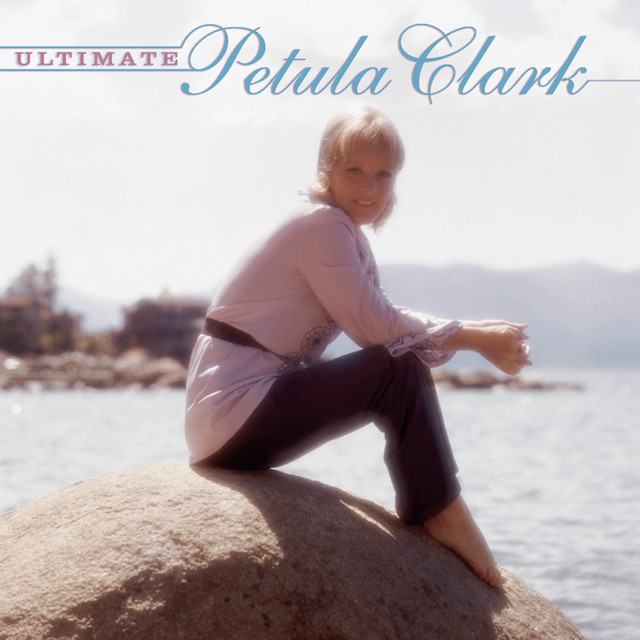
Petula Clark was one of the few female artists in the 1960s to write and produce her own music, paving the way for future generations of female musicians.
Interpreting Independence
As the song progresses, it becomes clear that "Downtown" is more than just a geographical location—it's a metaphor for independence and self-empowerment. The repeated refrain invites women to take ownership of their experiences: "You can go downtown, things will be great when you're downtown." This mantra not only suggests that the urban environment holds promise but also empowers women to seek out that promise actively.
Cultural Context
In the context of the 1960s, women were beginning to challenge the status quo. The feminist movement was gaining momentum, with women advocating for equal rights, reproductive freedom, and workplace equality. Clark's "Downtown" aligns perfectly with this zeitgeist, celebrating personal freedom and autonomy.
"Just listen to the music of the traffic in the city."
The imagery of the city’s hustle and bustle serves as a backdrop for women to find their voices amidst the noise. Rather than being passive observers, the lyrics encourage women to actively participate in the world around them.
Legacy of Empowerment
Petula Clark's influence extended far beyond this single track. She became a symbol of female empowerment in the music industry, breaking barriers during an era dominated by male artists. Her ability to transcend the typical confines of pop music allowed her to craft a narrative that celebrated women's independence.
A Timeless Message
Even today, "Downtown" resonates with listeners who find themselves seeking independence and self-assertion. The song's themes of liberation continue to inspire new generations of women to carve out their own paths, reminding us that the city—and life itself—offers endless opportunities for those willing to embrace them.
"You'll find a place to go downtown."
This line encapsulates the song's essence: a beacon of hope and an invitation to explore one's potential. Petula Clark's "Downtown" is not just a nostalgic pop hit; it stands as a bold anthem of independence that still echoes in the hearts of women striving for empowerment today.