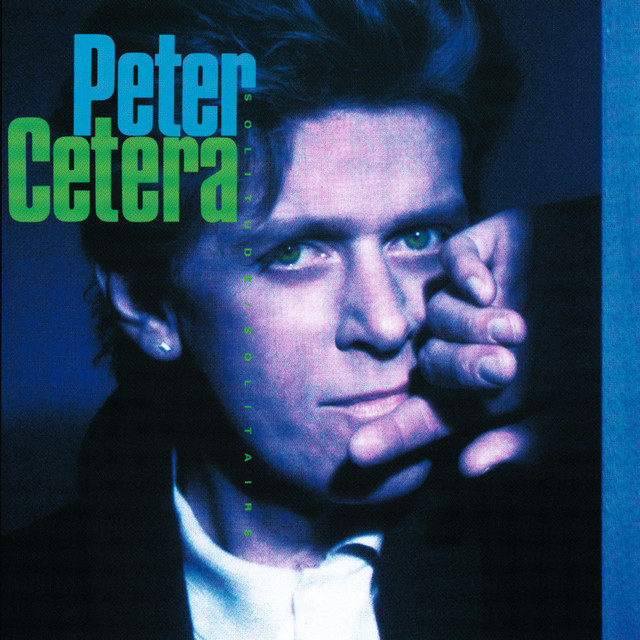
Love and Collaboration
Released in 1986 as part of the soundtrack for the film The Karate Kid Part II, "Glory of Love" marked a pivotal moment in Peter Cetera's solo career. After leaving Chicago, Cetera transitioned from frontman to solo artist, and this collaboration with David Foster and his then-wife Diane Nini proved foundational in crafting a sound that would define the power ballad genre of the 80s.
The Song's Craftsmanship
The songwriting trio blended their distinct styles to create a track that balanced Cetera's emotive vocal delivery with Foster's sweeping production. Foster, known for his work with artists like Whitney Houston and Celine Dion, brought a polished touch that elevated the song beyond mere movie soundtrack fare.
With lyrics that speak to enduring love and personal sacrifice, the song's chorus hits hard:
. This line encapsulates the essence of the 80s romantic ideal, a theme that resonates with audiences even decades later."I am a man who will fight for your honor"
Diane Nini's Influence
While David Foster is often credited as the powerhouse producer behind the song, Nini’s contributions are equally significant. As a co-writer, she infused the lyrics with a personal touch, reflecting her relationship with Cetera at the time. Their collaboration was not just professional; it drew from their emotional connection, adding depth that transcended the typical love song.
Interesting fact: "Glory of Love" went on to become Cetera's most successful single as a solo artist, reaching No. 1 on the Billboard Hot 100.
Cultural Impact
Beyond its chart-topping success, "Glory of Love" solidified Cetera's status in pop culture, bridging the gap between rock and adult contemporary. The song's memorable melody and heartfelt lyrics made it a staple at proms and weddings, and its inclusion in a major film helped cement its place in the public consciousness.
Legacy and Reflection
Years later, "Glory of Love" remains a definitive anthem of the 80s, often referenced in retrospectives of the decade's music. Its combination of soaring vocals and lush instrumentation exemplifies the era's penchant for theatricality in pop music. Cetera’s ability to convey vulnerability through his voice, particularly in lines like
, reflects a broader cultural narrative of masculinity during that time."You’re the hero I’ve been dreaming of"
The collaboration between Cetera, Foster, and Nini not only produced a hit but also highlighted the power of partnership in the creative process. It’s a reminder that behind every great song is a story of shared visions and emotional truths.