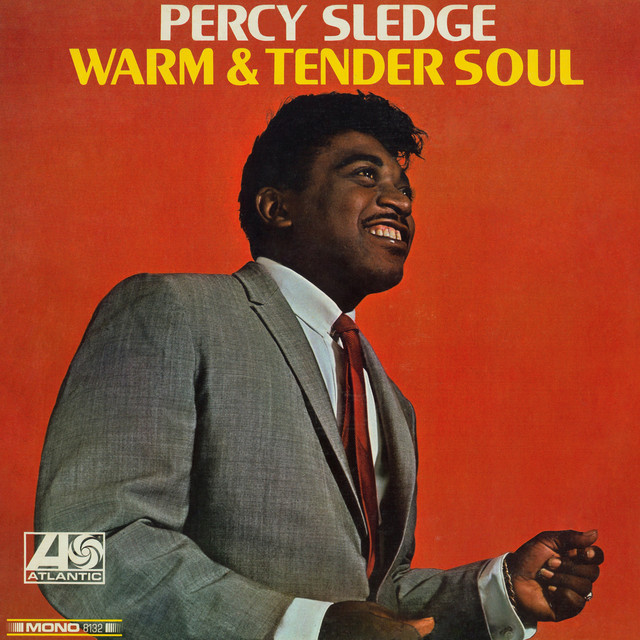
The Emotional Core of Sledge's Delivery
Percy Sledge's rendition of "You Really Got a Hold on Me" transcends mere performance; it’s a visceral expression of yearning and vulnerability. Released in 1966, this track showcases Sledge's ability to convey pain and longing with unmatched sincerity. The song captures the essence of love's grip, an experience many can relate to, which is likely why it continues to resonate across generations.
Influences and Inspirations
While the song's lyrical content might suggest a straightforward love ballad, Sledge's delivery is anything but simple. His emotional intensity likely stems from his own experiences. Prior to this release, Sledge had already showcased his capacity for heartfelt expression in tracks like "When a Man Loves a Woman," which became an anthem of devotion and sacrifice.
The emotional landscape of Sledge's music is not just about romantic love; it also reflects the complexities of relationships and the turmoil they can bring. His background in gospel music plays a crucial role here, infusing his delivery with a spiritual fervor that elevates the song's emotional stakes.
Context of the Era
1966 was a pivotal year in music, with soul emerging as a dominant genre. The influence of artists like Otis Redding and Sam Cooke set a high bar for emotional delivery in this genre. Sledge was not just part of this movement; he was a defining voice. His ability to articulate emotional distress made him unique. Lines like
don’t just state a fact; they embody the struggle that comes with love's grip."You really got a hold on me, you really got a hold on me"
Interestingly, Sledge's emotional vulnerability was mirrored in the work of his contemporaries. Ketty Lester's "When a Woman Loves a Man" was a direct response to Sledge's earlier hit, emphasizing the complexities of love from a female perspective.
The Power of Vulnerability
Sledge's ability to convey vulnerability distinguishes him from many of his peers. While many artists of the time adopted a more assertive or confident persona, Sledge embraced his insecurities, allowing listeners to connect with him on a personal level. His vocal delivery in "You Really Got a Hold on Me" reflects this vulnerability. The rawness in his voice evokes a sense of desperation that is palpable.
In the chorus, when he repeats the line
, it's more than just a plea—it's a moment of surrender. This emotional honesty sets Sledge apart. He isn’t just telling a story; he’s inviting the listener into a shared experience of heartache."I don't want to see you anymore"
The Lasting Impact of Sledge's Performance
The influence of Sledge's work continues to echo through the decades. Artists from Madonna to Buster Poindexter have cited him as a significant influence, showcasing his artistry's reach beyond his own era. His ability to convey deep emotional truths has made his songs timeless, and covers of his work continue to emerge, each adding new layers to the original.
Ultimately, Percy Sledge's "You Really Got a Hold on Me" remains a testament to the power of emotional expression in music. His vulnerability, coupled with a soulful delivery, creates an indelible mark on the listener. It’s this authenticity that ensures his legacy endures, reminding us that sometimes, vulnerability is the strongest form of expression.