The Weight of Experience
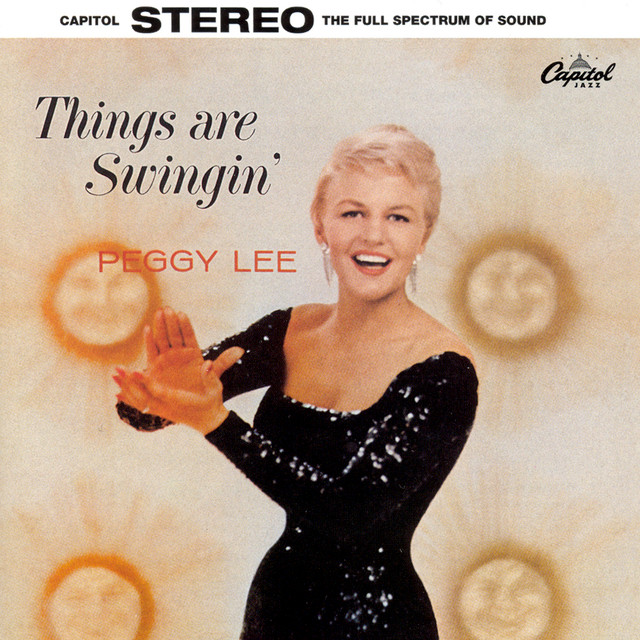
Peggy Lee’s rendition of "Fever" has been a timeless classic since its release in 1958 on the album of the same name. With a sultry delivery and an unforgettable melody, the song captures an intense romantic yearning. Yet, the emotional depth of "Fever" is not just a product of the lyrics; it is deeply intertwined with Lee’s own personal struggles and experiences.
Behind the Scenes
Before recording "Fever," Lee faced numerous challenges, including a tumultuous marriage and a struggle to maintain her identity in an industry dominated by men. These experiences colored her interpretation of the song. Lee infused her performance with a sense of vulnerability that reflects her own emotional battles. The lyrics—"When he takes me in his arms, he speaks to me all the way"—echo the longing and intimacy she craved in her personal life.
"When he takes me in his arms, he speaks to me all the way"
A Feminine Perspective
"Fever" was originally written by Eddie Cooley and Otis Blackwell, but Lee's version transformed it into a woman’s narrative of desire and power. Her interpretation adds layers that resonate with anyone who has experienced love’s complexities. The song's seductive rhythm and bold lyrics highlight a woman's control over her own sexuality, something Lee fought to assert in an era when female artists were often objectified.
The Production Influence
Produced by Lee and arranged by the talented conductor, Jack Marshall, the song's minimalist instrumentation allows her voice to take center stage. The arrangement creates a sense of intimacy that mirrors the emotional stakes of the lyrics. The sultry bassline coupled with the soft, romantic percussion enhances the song's seductive aura, and you can feel Lee's personal struggles echoing through each note.
Legacy and Impact
Peggy Lee’s recording of "Fever" has influenced countless artists across genres, with its blend of jazz, pop, and R&B. The way she interwove her own life experiences into her music has set a standard for authenticity in pop music. Songs are often seen as mere entertainment, but Lee's work reminds us that they can be powerful vehicles for personal expression.
Did you know? Peggy Lee recorded over 40 studio albums during her career, showcasing her versatility and depth as an artist.
Conclusion: A Song of Transformation
In "Fever," Peggy Lee transformed her personal struggles into a universal theme of love and desire. The song remains a testament to her ability to channel life’s complexities into her music, making her a timeless icon in the world of jazz and pop. Her struggles did not just influence her career; they shaped her artistry, allowing her to connect with audiences on a profound level.