The Birth of a Star
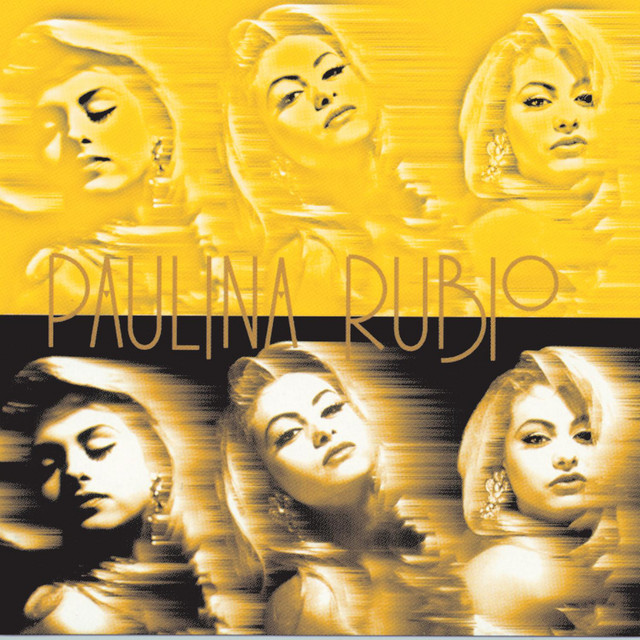
When Paulina Rubio released her debut solo single "Mío" in 1992, the landscape of Latin pop was on the brink of transformation. Coming off the success of her stint with the girl group Timbiriche, Rubio's solo venture was a bold declaration of her artistic identity. Written by José Luis Perales, "Mío" was not just a song; it was an anthem of possession and desire, capturing the essence of youthful love with an infectious melody.
A New Wave of Empowerment
Rubio's assertive delivery of the chorus—
—was revolutionary. The repetition underscored a sense of ownership in relationships that was often overlooked in a genre typically dominated by male perspectives. This shift in lyrical content was pivotal, opening doors for female artists to explore themes of independence and agency."Eres mío, mío, mío"
Musical Influences and Production
Produced by the legendary Miguel Blasco, "Mío" melds pop with elements of rock and dance, creating a sound that was both fresh and radio-ready. The vibrant instrumentation, layered harmonies, and catchy hooks made the track a staple in the playlists of the early 90s. It was a sound that appealed not just to Latin audiences but also to a burgeoning international market.
Interesting fact: "Mío" helped launch the iconic album La Chica Dorada, which went on to sell over a million copies in Mexico alone.
Setting the Stage for Future Artists
The impact of "Mío" extended far beyond its chart performance. It inspired a generation of Latin pop artists who followed in Rubio's footsteps, embracing a more personal and empowering narrative in their music. Artists like Thalía and Shakira would later explore similar themes, crafting their own anthems of love and independence.
A Cultural Phenomenon
As the 90s progressed, "Mío" became a cultural touchstone, often referenced in media and popular culture. The song's iconic status was cemented by its frequent airplay on Latin radio stations and its presence in telenovelas, further embedding it into the collective consciousness of the era. Paulina Rubio was no longer just a pop singer; she was a symbol of a new wave of Latin femininity.
Legacy and Influence
Today, "Mío" remains a significant milestone in the evolution of Latin pop. Its influence can be traced in contemporary artists who continue to push boundaries in the genre. The song's catchy refrain and assertive lyrics have paved the way for discussions around female empowerment in music, making it a timeless classic that resonates with new generations.
Conclusion: A Lasting Impact
Paulina Rubio's "Mío" was not just a hit; it was a catalyst for change in the Latin pop music scene. Its bold themes and infectious sound set the stage for a more diverse and empowered representation of women in music. As we reflect on the 90s, it's clear that Rubio's debut single was a defining moment that continues to influence artists and listeners alike.