The Birth of a Classic
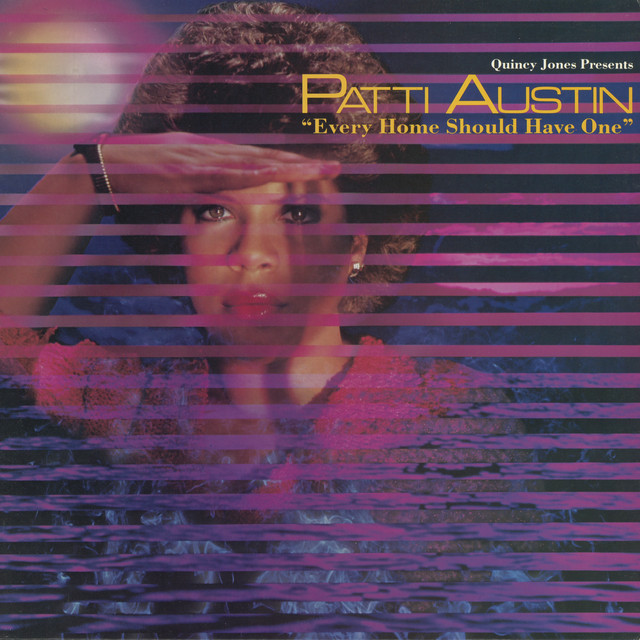
'Baby, Come To Me,' a standout duet by Patti Austin and James Ingram from Austin's 1981 album Every Home Should Have One, is more than just a love ballad; it’s a sonic representation of the early '80s musical evolution. Written by Rod Temperton, the song combines soulful melodies with the emerging influences of R&B and pop, creating a sound that was both innovative and commercially appealing.
Production Techniques
The production of 'Baby, Come To Me' showcases several key techniques that defined the era. Temperton, known for his work with Earth, Wind & Fire and Michael Jackson, employed lush arrangements and smooth transitions that allowed the vocals to shine. The use of synthesizers alongside traditional instrumentation created a rich backdrop that was emblematic of the transition from disco to a more polished, radio-friendly sound.
Rod Temperton also wrote hits like 'Rock With You' and 'Give Me the Night,' influencing the sound of the late '70s and early '80s.
The Duet Dynamic
The chemistry between Austin and Ingram is palpable throughout the track, exemplifying the era's focus on vocal interplay. The way they weave in and out of each other's lines creates a dialogue that's both intimate and sophisticated. This was a time when duets were becoming a staple in pop music, and their ability to convey a sense of yearning adds depth to the production.
"Say you'll stay, come to me, I need you now, don't turn away."
These lines encapsulate the emotional urgency that defined many love songs of the period, while the rich harmonies highlight the influence of gospel and soul that Austin and Ingram each bring to the table.
A New Wave of R&B
'Baby, Come To Me' also sits at the intersection of pop and R&B, a genre that was gaining traction in the early '80s. The smooth production and heartfelt delivery paved the way for future artists to explore more emotive and complex themes within their work. It’s not just about romance; it’s about vulnerability and connection, concepts that would become central to the genre as it evolved.