Funk as a Voice for Change
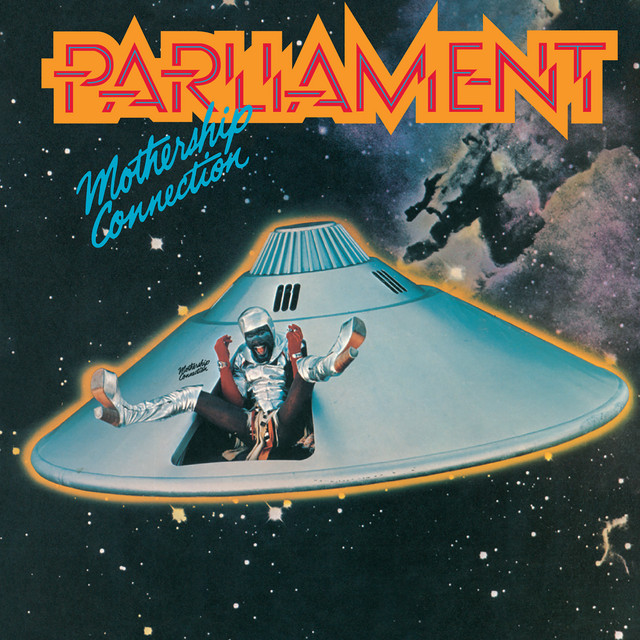
Released in 1976 as part of the groundbreaking album Mothership Connection, "Give Up The Funk (Tear the Roof Off the Sucker)" by Parliament transcended the boundaries of music. It became an anthem that mirrored the aspirations and struggles of the Black Power movement, echoing the call for pride, identity, and unity.
Context of the Era
The 1970s were a pivotal time in American history, marked by social upheaval. The Black Power movement sought to empower African Americans, promoting self-determination and cultural pride. Funk music emerged as a vibrant expression of this ethos, and George Clinton's Parliament was at the forefront of this revolution.
The Lyrics Speak Volumes
While "Give Up The Funk" is often celebrated for its infectious groove, the lyrics serve as a rallying cry. The repeated refrain, "We want the funk, give up the funk," captures a collective yearning for recognition and celebration of Black culture. This message was not lost on listeners who saw in funk a form of resistance against oppression.
"We want the funk, give up the funk!"
The Power of Performance
Parliament's performances were theatrical spectacles, blending costumes and stage presence that embodied the movement's spirit. This visual representation of Black identity challenged societal norms and embraced a bold aesthetic. The Mothership Connection itself became a metaphor for ascension and empowerment, reinforcing the idea that Black people could reclaim their narrative.
Sampling into Modernity
Decades later, the song's influence has not waned. The track was sampled for the 2002 film Undercover Brother, revitalizing its message for a new generation. This continued relevance highlights how funk remains a cultural touchstone, bridging gaps between past struggles and contemporary issues.
The Funk as a Movement
The connection between "Give Up The Funk" and the Black Power movement is not merely coincidental. The song embodies a cultural revolution that sought to elevate Black voices in a society that often marginalized them. In its essence, funk was not just music; it was a movement, an assertion of existence and pride.
Legacy of Empowerment
The legacy of Parliament and their funk anthems continues to inspire artists today, both in genre and message. The ethos of Black empowerment and cultural pride remains relevant, as seen in the work of contemporary artists who draw from this rich history.
Did you know? "Give Up The Funk" was initially released as a single titled "Tear the Roof off the Sucker" and has been featured in various films and shows, cementing its status as a cultural staple.
Conclusion: A Funky Revolution
In examining "Give Up The Funk," it's clear that what makes this song so powerful extends beyond its catchy beat. It encapsulates a historical moment of resistance and pride, solidifying its place in the ongoing narrative of Black empowerment. The funk, indeed, has never been just about dancing; it's about tearing the roof off societal limitations.