Literary Shadows in Heavy Metal
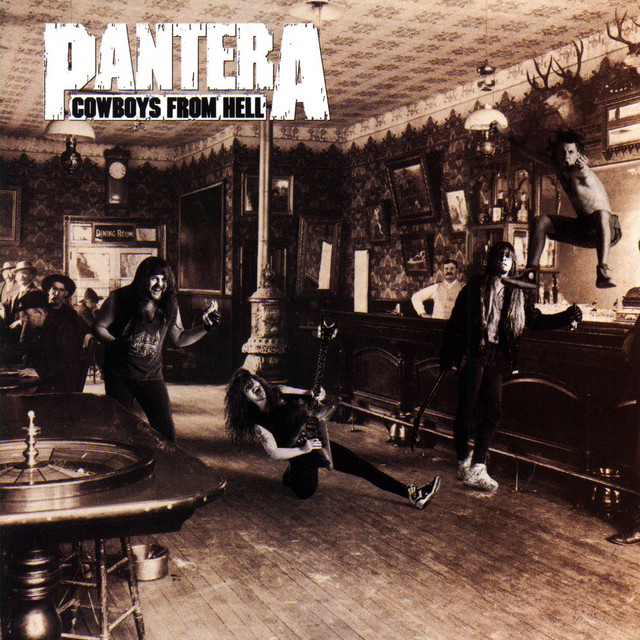
Pantera's "Cemetery Gates" stands out as an emotive power ballad that fuses heavy metal with lyrical depth rarely seen in the genre. Released in 1990 as part of the seminal album Cowboys from Hell, the track showcases the band's ability to weave intricate narratives into their music. It’s not just a reflection of personal grief; it’s a commentary that draws from classic literary influences, exploring themes of mortality and existentialism.
Echoes of Existential Thought
The song opens with an introspective tone, setting the stage for a lyrical exploration of loss and remembrance. The title itself evokes a place of rest and reflection, reminiscent of the somber motifs found in literature. The imagery conjured in the song parallels the works of writers like Edgar Allan Poe and John Keats, who often grappled with themes of death and the afterlife. This connection is not only thematic but also emotional, as Pantera translates literary existential dread into a sonic experience.
"Reverend, reverend, is this some conspiracy?"
These opening lyrics evoke a sense of questioning, akin to the existential inquiries posed by Dostoevsky in Crime and Punishment. The protagonist in both Pantera's narrative and Dostoevsky's work wrestles with the weight of morality and the search for meaning amidst chaos. By invoking a 'reverend', Pantera hints at a search for guidance in the face of despair—an element that resonates with the philosophical underpinnings of classic literature.
Imagery of the Grave
The song's title and recurring motifs of cemeteries and graves serve as powerful symbols of life’s transience. In literature, cemeteries often represent not just death, but also the memories and legacies left behind. In this context, Pantera’s evocative lyrics challenge listeners to confront their own mortality. The imagery is stark, contrasting the heaviness of the subject matter with the melodic instrumentation that underpins the track, creating a haunting atmosphere that lingers.
Did you know that "Cemetery Gates" was produced by Terry Date, who helped define the sound of 90s heavy metal?
Musical Composition and Literary Influence
Musically, "Cemetery Gates" is a masterclass in dynamics. The shift from clean, melodic verses to explosive, aggressive choruses mirrors the emotional turmoil within the lyrics. This structure parallels literary techniques such as foreshadowing and climax, where moments of calm are abruptly interrupted by chaos. The contrast not only amplifies the message but also reinforces the literary connections. Just as a great novel builds tension, so too does Pantera’s composition draw the listener into an emotional abyss.
"Buried in the graveyard, my tears are falling down."
Here, the visceral image of tears falling in a graveyard encapsulates the emotional weight of grief. It invites the listener to reflect on personal loss, grounding the abstract concepts of death in tangible imagery. This connection to classic literary themes—where personal sorrow often unfolds against a backdrop of universal truth—elevates the song beyond mere heavy metal fare.
Conclusion: The Legacy of Literary Influence
Pantera's "Cemetery Gates" is more than just a power ballad; it's a testament to the band's ability to marry heavy metal with the profound complexities of literature. By drawing on classic themes of mortality, memory, and existential inquiry, the song stands as a haunting reminder of life's fragility. As listeners navigate through its emotional landscape, they engage not just with music, but with the rich tapestry of literary influence that has shaped its creation.