Heavy Metal's Dark Muse
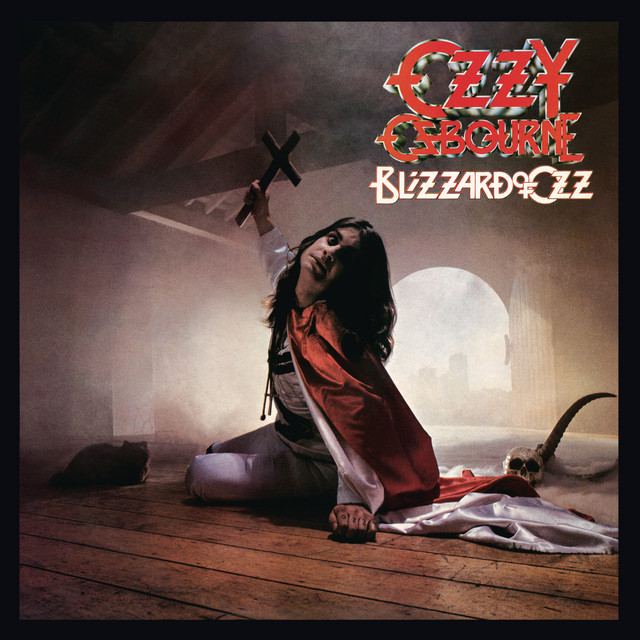
Ozzy Osbourne's "Mr. Crowley" is more than just a song; it’s a necromancer’s incantation that channels the chaotic spirit of English occultist Aleister Crowley. Released in 1980 on Osbourne’s debut solo album, Blizzard of Ozz, the track showcases the eerie guitar work of Randy Rhoads and sets a tone that would define the heavy metal genre for decades.
While many artists flirt with the occult, Osbourne dives headfirst into its abyss. The song opens with a haunting keyboard melody, creating an atmosphere that feels both inviting and sinister. It’s this duality that makes the song compelling, as it entices listeners into Crowley's world of mysticism and controversy.
Lyrics as Sorcery
In "Mr. Crowley," Osbourne questions the enigmatic figure directly:
This line encapsulates the essence of curiosity and disbelief surrounding Crowley, who was often labeled as the most wicked man in the world. Osbourne's lyrics don’t merely recount Crowley’s life; they engage with his legacy, challenging the listener to ponder the thin line between genius and madness."Mr. Crowley, what went on in your head?"
The chorus serves as an incantation, echoing Crowley’s own fascination with control and manipulation. Lines like
suggest the allure of power that Crowley wielded, tapping into the darker sides of human nature. Here, Osbourne doesn’t shy away from Crowley’s controversial practices; instead, he brings them to light, making the song a platform for discourse on morality and the occult."You fooled all the people, so easily"
A Collaboration of Dark Minds
Written primarily by Osbourne and Rhoads, the song’s composition is as vital as its lyrics. Rhoads’ guitar work combines classical influences with heavy metal ferocity, creating a soundscape that feels both grand and foreboding. The iconic guitar solo isn’t just a showcase of technical prowess; it’s a sonic representation of the chaotic forces at play in Crowley’s life.
Fun fact: Aleister Crowley was expelled from many organizations during his lifetime, including the Hermetic Order of the Golden Dawn, due to his controversial beliefs.
Occult Themes in Osbourne's Broader Work
“Mr. Crowley” set the stage for Osbourne's later explorations of darker themes, including tracks like “No More Tears” from his 1991 album of the same name. This evolution shows Osbourne's fascination with the occult and existential questions, continuing the dialogue initiated in “Mr. Crowley.”
In “No More Tears,” for instance, Osbourne explores themes of despair and loss, echoing the disillusionment that often accompanies a brush with the supernatural. It’s as if Osbourne is weaving a narrative that draws from Crowley’s own tragic story, further cementing the influence of the occult in his artistry.
Cultural Impact and Legacy
The influence of “Mr. Crowley” extends beyond its musical composition. It has become an anthem for those who revel in the darker sides of life. The song has been covered and referenced by numerous artists, showcasing its lasting impact on the heavy metal genre and beyond.
Osbourne’s embrace of the occult can be viewed as both a reflection of his personal struggles and a broader commentary on society’s fascination with the unknown. His music invites listeners to confront their fears and curiosities, using Crowley as a conduit to explore the depths of human experience.
In the end, “Mr. Crowley” stands as a testament to the power of music as a medium for exploring complex themes. Osbourne, through his dark lyrical explorations and Rhoads’ haunting compositions, creates a conversation around the occult that remains relevant today.