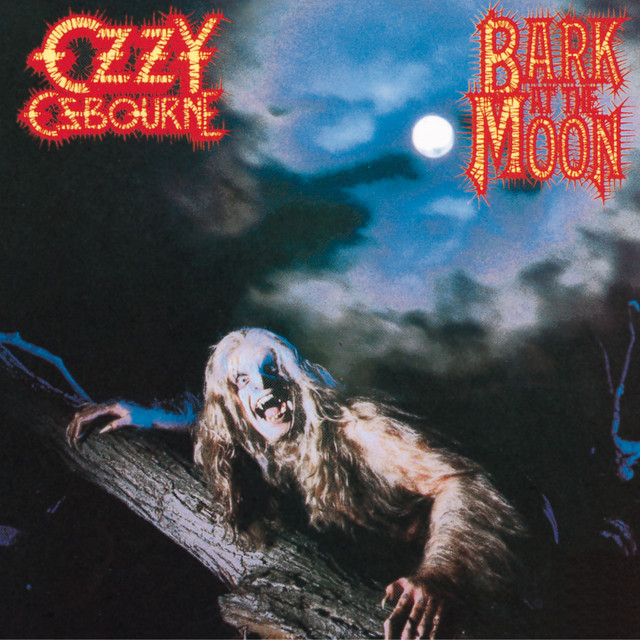
The Werewolf Metaphor in Heavy Metal
Ozzy Osbourne's "Bark at the Moon," the title track from his third studio album released on November 14, 1983, is steeped in a haunting werewolf imagery that reflects the darker sides of human nature. This heavy metal classic, produced by Max Norman, delves into themes of transformation and the primal instincts that lurk beneath the surface, mirroring both personal turmoil and broader societal fears.
A Reflection of Ozzy's Turmoil
At the heart of the song lies a metaphorical beast, a representation of Ozzy's struggles with addiction and fame. The lyrics evoke a sense of loss and desperation, encapsulated in the lines that depict the transformation of man into monster. The werewolf serves as a powerful symbol of the duality within Ozzy, a man haunted by his demons while simultaneously embracing his dark persona.
"You can't kill the beast inside, / The one who runs and hides."
This line captures the essence of internal conflict, suggesting that the monstrous aspects of one's identity can never truly be vanquished. Instead, they lurk in the shadows, ready to emerge at any moment. This mirrors Ozzy's own battles, as he often grappled with the consequences of a rock star lifestyle that led him down a treacherous path.
Halloween and Horror Aesthetics
The werewolf imagery is not only personal; it taps into a broader cultural fascination with horror and the macabre prevalent in the 1980s. "Bark at the Moon" was released during a time when horror films were thriving, and werewolves were among the most iconic monsters. This alignment with popular culture offered Ozzy an opportunity to explore deeper fears and societal anxieties through a rock lens.
Interesting fact: The music video for "Bark at the Moon" features a werewolf transformation that was inspired by classic horror films, enhancing its appeal to fans of the genre.
Musical Composition and Atmosphere
The song's composition further complements its dark themes. The driving guitar riffs and haunting synth lines create an atmosphere of impending doom. The chilling introduction sets the stage for a narrative that feels both personal and mythical. As the song progresses, the instrumentation mirrors the chaotic struggle within Ozzy, embodying the battle between man and beast.
The Legacy of "Bark at the Moon"
Over the years, "Bark at the Moon" has solidified its place in heavy metal history, not just as a song but as a cultural artifact. It has inspired countless artists and continues to resonate with new generations who are drawn to its raw energy and dark storytelling. The werewolf imagery remains a potent symbol of transformation and the dualities of human nature, echoing the complexities of Ozzy's life.
"And the beast that was once a man, / Is howling at the moon again."
This line serves as a powerful reminder that the beast within us all can never be fully tamed. Ozzy Osbourne's "Bark at the Moon" invites listeners to confront their inner darkness, challenging the notion that we can escape the primal instincts that define us.