The Enduring Legacy of 'You Send Me'
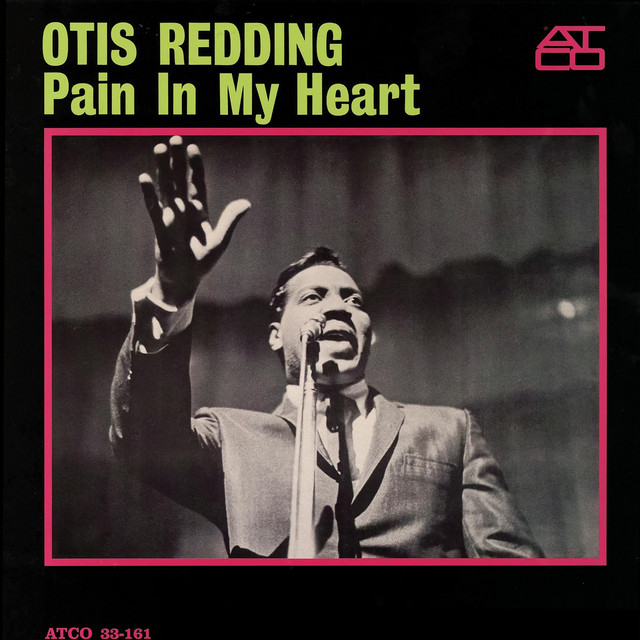
Otis Redding's cover of "You Send Me," originally penned and performed by Sam Cooke in 1957, is a testament to the song's timeless emotional resonance. Released as part of Redding's fifth studio album, The Dictionary of Soul, in 1966, Redding's interpretation brings a raw intensity that infuses the classic with fresh vigor.
Redding's Soulful Interpretation
Redding's version diverges from Cooke's smoother, more polished approach, layering his signature raspy vocal style with an urgency that captures the song's essence. The line,
becomes a proclamation here, imbued with a sense of longing that Redding masterfully conveys. His delivery turns a simple declaration into a powerful expression of desire."You send me, honest you do"
The Context of the Era
Released in an era when soul music was gaining momentum, Redding's rendition played a crucial role in shaping the genre. The 1960s were marked by a cultural shift, and Redding's ability to channel deep-seated emotion through his music resonated with a generation grappling with social changes. The sincerity in his voice feels both personal and universal, allowing listeners to connect with their own experiences of love and heartache.
Production Value
Produced by the legendary Bumps Blackwell, the instrumentation in Redding's version is not just a backdrop; it enhances the emotional gravity of the song. The lush strings and gentle horns create an atmosphere that complements the lyrics, allowing Redding's voice to soar. This careful arrangement is a vital component of why the song has maintained its appeal.
Universal Themes of Love
At its core, "You Send Me" speaks to the universal experience of love, a theme that transcends time and culture. The way Redding expresses vulnerability in his delivery resonates with anyone who has felt the electric charge of love. The emotional weight of his performance invites listeners to reflect on their own romantic connections, making it a perennial favorite.
The Influence of Sam Cooke
While Redding's version is distinct, it's essential to acknowledge Sam Cooke's original, which laid the groundwork for the song's enduring legacy. Cooke's smooth vocals and sophisticated style set a high bar, but Redding's interpretation expanded the song's emotional range. He added a layer of grit that made the song accessible to a wider audience, bridging gaps between genres and generations.
Interesting fact: Sam Cooke's original version of "You Send Me" was a major hit, reaching number one on the Billboard Hot 100 chart in 1957.
A Song for All Generations
The continued relevance of "You Send Me" can be seen in its frequent covers and adaptations across various musical styles. From contemporary artists to classic soul performers, the song’s structure and emotional core invite reinterpretation. Redding's version remains a benchmark, showcasing how a classic can evolve while retaining its heart.
Concluding Thoughts
Otis Redding's rendition of "You Send Me" is not just a cover; it's a reimagining that breathes new life into a timeless classic. Its emotional depth, combined with Redding's powerful vocal delivery, ensures that it continues to resonate with listeners, decades after its release. The song stands as a reminder of the enduring power of love and the universal emotions that connect us all.