Music as a Mirror of Society
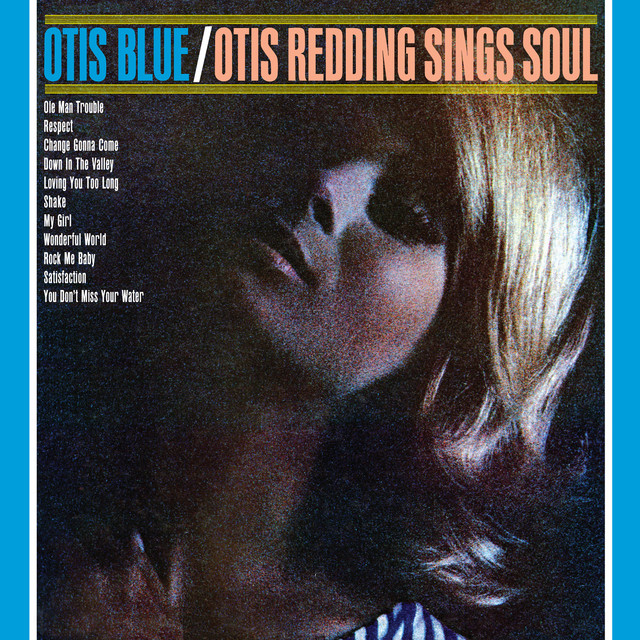
Otis Redding’s rendition of "Wonderful World" stands out not just for its melodic beauty, but for its unassuming commentary on the hopes and dreams of a society grappling with profound injustice. Released in 1965 as part of the album Otis Blue/Otis Redding Sings Soul, this cover of Sam Cooke's original from 1960 transforms a simple celebration of life into a poignant reflection of the civil rights movement.
A Song of Innocence Amidst Turmoil
Cooke's original version of "Wonderful World" paints an idyllic picture of youth and innocence. Lines like
capture a carefree spirit. Yet, when Redding delivers the same lyrics, they morph into something more complex. His soulful voice carries an undercurrent of yearning, a desire for a world that often denied African Americans the very things he sings about."Don't know much about history, don't know much biology"
Contextualizing the Civil Rights Struggle
The timing of Redding's cover is crucial. By the mid-1960s, the United States was embroiled in civil rights protests, with figures like Martin Luther King Jr. advocating for equality and justice. Redding’s version emerges amidst this charged atmosphere, where the aspirations for a "wonderful world" were intertwined with the fight against systemic racism.
Hope and Disillusionment
Redding's soulful interpretation brings a deeper emotional resonance. His delivery conveys both hope and a subtle disillusionment, especially in the line
. This juxtaposition underscores a desire for love and connection in a world marred by division and hatred."I don’t know much about a science book, but I do know that I love you"
Otis Redding was only 24 years old when "Wonderful World" was released, yet his vocal maturity and emotional depth made him a pivotal figure in soul music.
The Power of Soul Music
Soul music, particularly in the 1960s, was more than just entertainment; it served as a vehicle for social commentary. Artists like Redding and Cooke used their platforms to address pressing societal issues. Redding’s impassioned delivery of "Wonderful World" aligns with this tradition, as he intertwines personal sentiment with collective struggle.
A Legacy of Change
In retrospect, Redding’s rendition of "Wonderful World" can be seen as a hopeful anthem for a generation yearning for change. As protests erupted across the nation, the song became an emblem of optimism amidst adversity, representing the belief that a better world was possible.
Conclusion: A Song for All Seasons
Today, "Wonderful World" continues to echo in the hearts of those who strive for justice and equality. Redding’s version retains its relevance, reminding us that the quest for a "wonderful world" is ongoing. His voice, imbued with passion and longing, serves as a timeless reminder that music can inspire change and foster hope.