The Soulful Clash of Classes
Released in 1967, Otis Redding's "Tramp," featuring Carla Thomas, stands as a definitive piece within the Stax Records catalog. This duet doesn't just thrill the ears; it crafts a narrative that dissects the intersection of romance and social class. The playful banter between Redding and Thomas reflects a deeper commentary on how love exists in the shadow of economic disparity.
Character Dynamics
In "Tramp," the two vocalists engage in a spirited dialogue that reveals their differing perspectives on romance. Redding's character comes across as a laid-back lover, while Thomas's response highlights the frustrations of a woman who sees beyond the surface. This back-and-forth showcases how love can be both a source of joy and a battleground for class consciousness.
"You ain't nothing but a tramp, you know that?"
With this line, Thomas directly challenges Redding's character, setting the stage for a deeper exploration of what it means to be a 'tramp' in a social context. It’s not just a term of endearment; it signifies a lifestyle and an attitude shaped by economic realities.
Funk and the Social Commentary
Musically, the song blends soul and funk, creating an infectious groove that belies its serious undertones. Produced under the keen ears of Stax, the arrangement allows the lyrics to shine without overshadowing them. The upbeat tempo could easily lead listeners to miss the biting commentary embedded in the exchanges.
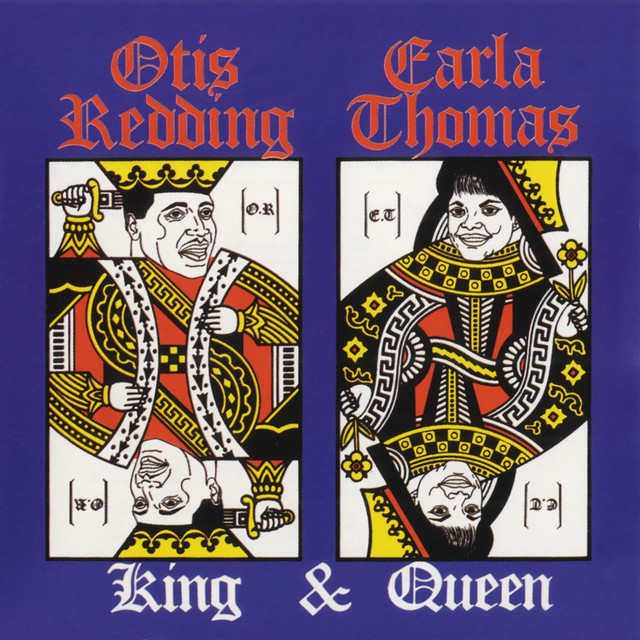
"Tramp" was included in the joint album by Redding and Thomas, which was a significant collaboration for Stax Records, highlighting the label's commitment to blending artists' diverse talents.
Romance as a Reflection of Class
The tension in Redding and Thomas's performance illustrates how romantic relationships often mirror societal structures. Thomas’s lament of her lover’s lack of ambition—"You ain't got no job, you ain't got no car"—is not just a critique of him but a reflection of the broader societal expectations placed upon men in relationships. This critique is not just personal; it speaks to a collective experience shared by many.
The Legacy of 'Tramp'
Through its playful yet pointed lyrics, “Tramp” has left an indelible mark on the genre. It’s a track that invites listeners to consider the complexities of love in a world where class distinctions can dictate the course of romance. The song doesn’t shy away from exposing the societal pressures often hidden beneath the surface of attraction.
"If you wanna be a tramp, be a tramp, but don’t expect me to love you."
This line powerfully encapsulates the essence of the song. It’s a stark reminder that love is not immune to the realities of class and status, and it challenges the listener to think critically about their own relationships.
Conclusion: A Timeless Dialogue
Ultimately, "Tramp" remains a timeless exploration of romance and class. Redding and Thomas's chemistry is palpable, yet it serves a greater purpose than mere entertainment. It invites a conversation about the societal norms that shape our relationships, making it as relevant today as it was over fifty years ago.