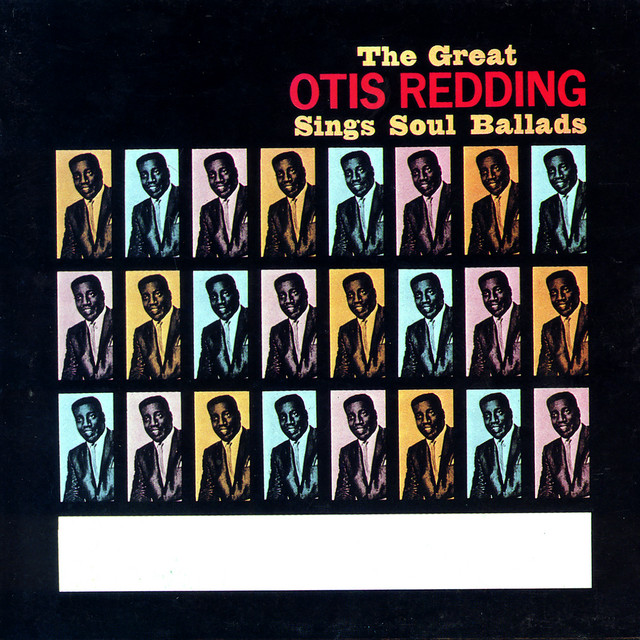
The Southern Influence on Emotion
When Otis Redding unleashed "Mr. Pitiful" in 1965, he wasn’t just delivering a song; he was channeling the raw emotional energy that defines Southern soul. This genre, steeped in a rich tradition of expressing heartache and struggle, finds its fullest expression in Redding's powerful delivery. The song was crafted alongside Steve Cropper, a key figure in the Stax Records sound, and together they created a piece that transcends mere musicality to touch on the very essence of human emotion.
Vocal Delivery as a Narrative Device
Redding's voice is a force of nature. It oscillates between anguish and defiance, capturing the complexities of heartbreak and resilience. In "Mr. Pitiful," he embodies the persona of a man grappling with his failures, lamenting his unremarkable status. The opening lines alone lay bare a vulnerability that many listeners can relate to, setting the stage for the emotional journey that follows.
"I’m Mr. Pitiful, oh yeah, that's my name"
This declaration is not just a self-identifier; it's a badge of honor worn by a man who has faced the harsh realities of life. The Southern soul tradition emphasizes storytelling, and Redding's ability to infuse his performance with personal narrative elevates the song beyond typical heartbreak anthems.
The Instrumentation of Pain
The arrangement of "Mr. Pitiful" also plays a crucial role in amplifying the emotional delivery. The horns, a staple of Southern soul, punctuate Redding's lament with a sharpness that complements his vocal urgency. The interplay between the brass and Redding’s voice creates a sonic landscape where pain and hope coexist.
The song reached No. 41 on the Billboard Hot 100, showcasing Redding's crossover appeal.
The Legacy of Southern Soul
Redding's contribution to Southern soul extends beyond this single track. His ability to convey profound emotion has influenced countless artists across genres. The rawness evident in "Mr. Pitiful" captures the essence of a musical movement that emerged from the struggles of African Americans in the South, yet it resonates universally.
Artists like Al Green and Marvin Gaye would later draw from Redding’s emotional depth, demonstrating the lasting impact of his work. In an era where soul music was often polished for mainstream consumption, Redding's authenticity shone through as a beacon of genuine expression.
Conclusion: A Masterclass in Emotional Delivery
Ultimately, "Mr. Pitiful" serves as a masterclass in how Southern soul can shape emotional delivery. Redding’s vocal performance, combined with the song’s instrumental backdrop, invites listeners to confront their own vulnerabilities. As the years roll on, the influence of Redding and the Southern soul movement remains an indelible part of music history, reminding us that true artistry lies in the ability to feel and convey our deepest emotions.