Raw Emotion and Vocal Power
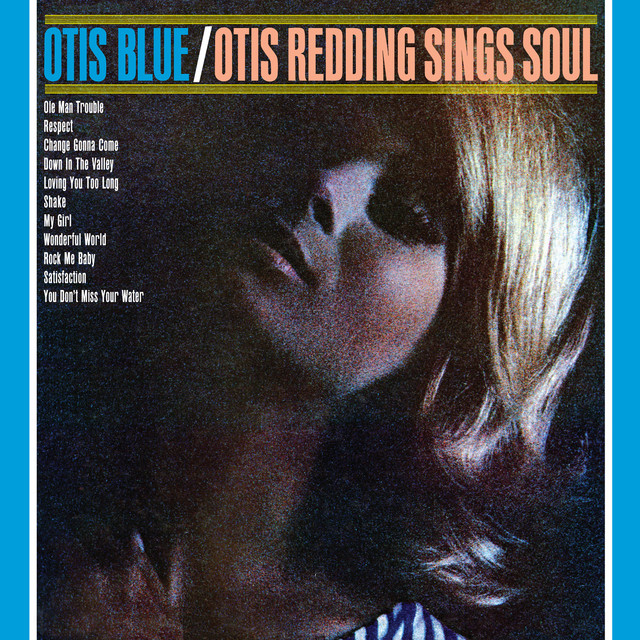
Otis Redding's "I've Been Loving You Too Long (To Stop Now)" is not just a song; it’s an anthem of heartache. Released in 1965 on the seminal album Otis Blue/Otis Redding Sings Soul, this track showcases Redding's unparalleled ability to channel pain through his voice. Each note feels like a confession, a vulnerability that is almost palpable.
Redding's vocal techniques are a masterclass in emotional delivery. His use of dynamic range allows him to shift from soft whispers to powerful wails, embodying the very essence of longing and despair. This is particularly evident in the way he transitions between verses, where he begins with a tender tone, almost as if he’s pleading, before unleashing a gut-wrenching cry.
Techniques that Cut Deep
One of the standout techniques Redding employs is his use of melisma, a stylistic flourish that embellishes his vocal lines. This is especially striking in the chorus, where he stretches syllables, infusing each word with a sense of urgency. When he sings,
the way he drags out the word “long” feels like an eternity. It’s as if he’s grappling with the weight of his emotions, making the listener feel every ounce of his pain."I've been loving you too long to stop now,"
Another key aspect of Redding's vocal delivery is his ability to infuse a raw, almost raspy quality into his voice. This grit, which comes through especially in the climactic moments of the song, adds an extra layer of authenticity to his expression of sorrow. Redding’s growls and shouts punctuate the music, transforming what could be a simple love song into a profound exploration of heartbreak.
Contextualizing the Heartache
Written by Redding and Jerry Butler, "I've Been Loving You Too Long" fits seamlessly into the soul genre that defined the 1960s. The song's lyrics reflect a common narrative of love lost, yet Redding's interpretation elevates it to something deeply personal and relatable. He taps into universal feelings of longing and despair that resonate with anyone who has faced a tumultuous relationship.
The production, helmed by the legendary producer Jim Stewart, complements Redding's vocals beautifully. The lush instrumentation, with its smooth horns and subtle strings, serves as a backdrop that highlights Redding's emotional delivery rather than overshadowing it. This synergy between voice and arrangement creates a haunting atmosphere that lingers long after the song ends.
Legacy of Pain and Power
Redding’s interpretation of pain in "I've Been Loving You Too Long" is a vital aspect of his legacy. He didn’t just sing; he bared his soul. In an era where many artists focused on the upbeat and joyful, Redding’s willingness to confront raw emotions was groundbreaking. He carved a path for future generations of artists to explore the depths of emotional expression in their music.
Listening to Redding’s performance, it’s clear that he understood the power of vulnerability. His ability to convey pain through vocal techniques is not just a skill; it’s a profound gift that continues to influence musicians today. With every note, he reminds us that the heart's struggles are worthy of being sung about, and it’s this authenticity that makes his work timeless.
Did you know? "I've Been Loving You Too Long" was originally recorded by Jerry Butler in 1961, but Redding's version became iconic, solidifying his status in soul music history.