Repetition as a Tool for Emotional Weight
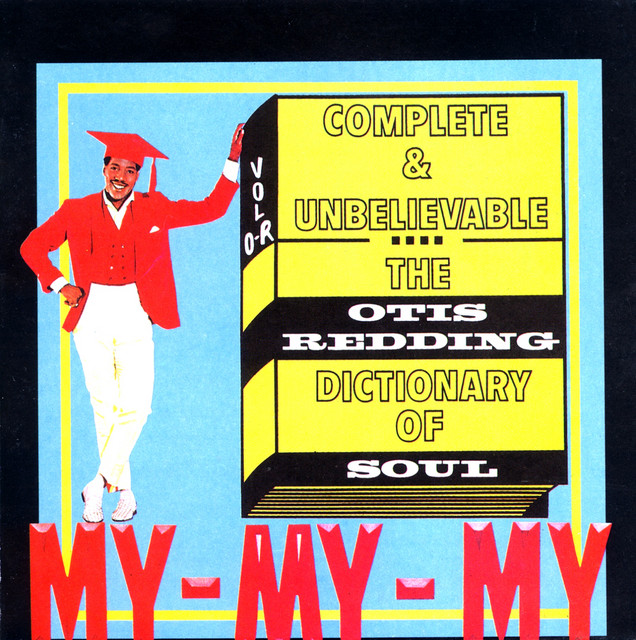
Otis Redding's "Fa-Fa-Fa-Fa-Fa (Sad Song)" from the 1966 album The Otis Redding Dictionary of Soul is a masterclass in the use of repetition to evoke emotion. The song is built on a simple yet powerful refrain that echoes through its verses, creating an atmosphere of longing and melancholy.
The Catchy Hook and Its Impact
The repeated phrase "fa-fa-fa-fa-fa" serves a dual purpose: it’s catchy, but more importantly, it reflects the cyclical nature of sadness. Redding's soulful delivery turns what could have been a mere gimmick into a heartfelt expression of despair. The repetition of the phrase acts like a mantra, reinforcing the idea of being stuck in a loop of sorrow.
"Fa-fa-fa-fa-fa, I'm talking 'bout a sad song"
By repeating this line, Redding invites listeners to engage not just with the sound, but with the emotion behind it. The simplicity of the words contrasts sharply with the depth of the feeling conveyed, making the listener reflect on their own experiences of loss.
The Context of the Album
The Otis Redding Dictionary of Soul is often celebrated for its exploration of various themes, including love and heartbreak. Redding's ability to blend vulnerability with strength is evident throughout the album. "Fa-Fa-Fa-Fa-Fa (Sad Song)" stands out as a poignant reminder that sadness can be both isolating and universal.
Interesting fact: Otis Redding recorded "(Sittin' On) The Dock of the Bay" in 1967, just before his untimely death, which further solidified his legacy as a soul icon.
Repetition and Relatability
The use of repetition in this track transcends mere catchiness; it taps into the human experience of repetitive thoughts that often accompany heartbreak. When Redding sings, "I’m talking 'bout a sad song," it’s as if he’s reflecting our own inner dialogues. That repetition creates a familiarity that resonates with anyone who has felt the weight of sorrow.
Conclusion: A Lasting Impact
Redding's strategic use of repetition in "Fa-Fa-Fa-Fa-Fa (Sad Song)" elevates the song beyond a simple pop tune; it becomes an anthem for the heartbroken. The emotional impact of the song lies not only in its lyrics but in how those lyrics are delivered. Each iteration of the phrase deepens the listener's connection to the feeling of sadness, making it a timeless piece in Redding's remarkable discography.