Manchester's Gritty Reality
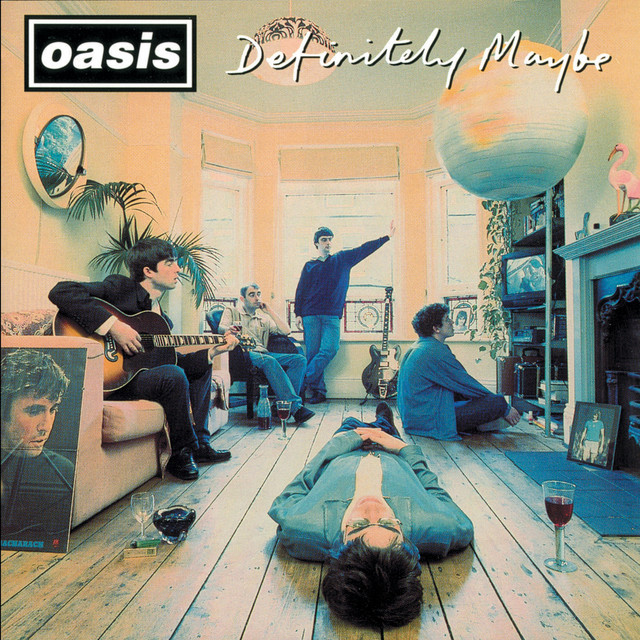
Oasis's 1994 track "Cigarettes & Alcohol" from their debut album "Definitely Maybe" serves as a raw reflection of the working-class ethos in Manchester during the 1990s. Written by Noel Gallagher and produced by Owen Morris, the song is a raucous anthem that articulates the disillusionment and yearning for escape that permeated the lives of many in the city.
The Struggle for Escape
At its core, the song captures a familiar narrative: the desire to escape mundane, often oppressive realities through cigarettes and alcohol. Gallagher's lyrics, "I need to be myself, I can't be no one else," echo a longing for authenticity amidst societal constraints. This desire resonates particularly with Manchester's working class, who often felt trapped in their circumstances.
"I need to be myself, I can't be no one else."
The use of cigarettes and alcohol as symbols of rebellion and coping mechanisms is not just personal but reflective of a broader cultural landscape. In a city marked by industrial decline and economic hardship, these substances became a means of finding solace and camaraderie among peers.
Historical Context and Cultural Significance
The 1990s in Manchester were characterized by a vibrant music scene that emerged partly in response to the socio-economic struggles faced by the working class. The rise of Britpop, with Oasis at the forefront, was a response to the disenfranchisement felt by many youth. "Cigarettes & Alcohol" became a rallying cry, tapping into the collective consciousness of a generation seeking identity and purpose.
Oasis's debut album "Definitely Maybe" was a commercial success, reaching number one in the UK and solidifying the band's status in the Britpop movement.
The Duality of Pleasure and Pain
While the song encapsulates the thrill of indulgence, it also suggests an underlying emptiness. The escapism offered by cigarettes and alcohol is juxtaposed with the harsh realities of life. Gallagher's lyrics highlight this duality, revealing a tension between fleeting pleasure and the inevitable return to reality. The line, "Is it worth the hassle?" poses a question that many from the working class grapple with, making the song relatable on multiple levels.
Legacy and Continued Relevance
Nearly three decades later, the themes explored in "Cigarettes & Alcohol" continue to resonate. As society grapples with issues of mental health, addiction, and the impact of economic disparities, the song's message remains pertinent. It serves as a reminder of the coping mechanisms that people often resort to in times of hardship.
"Is it worth the hassle?"
In recent years, the rise of electronic cigarettes and vaping has introduced a new dimension to this conversation. While public health initiatives have sought to discourage traditional cigarette use, the allure of escape remains. Oasis's anthem reminds us that the quest for relief from life's struggles is as old as time, and the methods may change, but the underlying desire does not.
A Reflection of Collective Identity
Ultimately, "Cigarettes & Alcohol" is more than just a song; it's a reflection of a collective identity forged in the fires of economic hardship and cultural rebellion. It captures the essence of what it means to be part of the working-class experience in Manchester, embodying both the joys and sorrows of a life lived on the edge. As long as there are struggles to overcome, the anthem will continue to speak to generations seeking their own forms of escape.