The Sound of Discontent
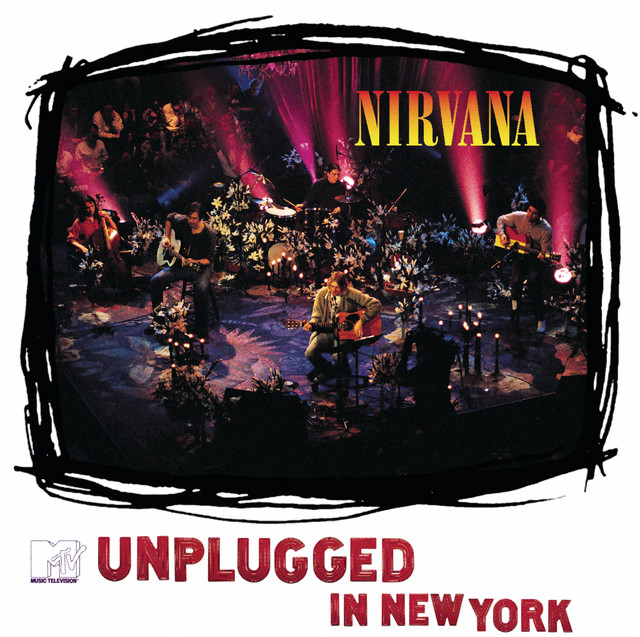
Kurt Cobain's version of David Bowie's "The Man Who Sold The World" is more than just a cover; it's a manifesto for a generation grappling with disillusionment. Released in 1993 on Nirvana's MTV Unplugged in New York, this rendition stripped away the glam rock veneer of Bowie's original and laid bare a raw, haunting vulnerability. The song's themes of alienation and identity crisis resonate intensely with the youth of the early '90s—those who felt lost in an era dominated by consumerism and superficiality.
From Glam to Grunge
Originally released in 1970 on Bowie's album of the same name, "The Man Who Sold The World" was a product of its time, capturing the disillusionment of the post-hippie era. Bowie's theatrical delivery and the song's layered instrumentation painted a complex picture of self-identity and societal expectations. Cobain’s interpretation, however, transformed it into something starkly personal. The acoustic arrangement stripped away the artifice, revealing a haunting sincerity that echoed the feelings of a generation.
A Voice for the Voiceless
The lyrics “We passed upon the stair, we spoke of was and when” carry a weight that Cobain imbued with urgency. This line, delivered in his signature gravelly voice, evokes a sense of lost connection—a sentiment that resonated deeply with fans who felt disenchanted with the world around them. The simplicity of the acoustic guitar contrasted sharply with the emotional weight of the lyrics, creating an anthem for those yearning for authenticity.
"We passed upon the stair, we spoke of was and when"
The MTV Unplugged performance was a pivotal moment for Nirvana, showcasing a more vulnerable side of Cobain and the band. It was a stark departure from their explosive performances, revealing the fragility beneath the surface of grunge's hard exterior. Cobain’s raw, emotional delivery transformed the song into a powerful expression of despair, making it a rallying cry for disillusioned youth everywhere.
Connection to 'Polly' and Personal Struggles
Nirvana’s catalog is filled with themes of disconnection and struggle, as seen in Cobain's own composition “Polly.” Much like “The Man Who Sold The World,” “Polly” tackles dark themes of victimhood and the search for identity. This connection allows listeners to see how Cobain drew from his own experiences to inform his interpretation of Bowie's work, creating a continuum of angst and disillusionment across both songs.
A New Generation's Anthem
In 1993, as the world emerged from the excesses of the '80s, young people faced a new reality—a world where ideals were often crushed by economic downturns and societal expectations. Cobain’s haunting rendition of “The Man Who Sold The World” encapsulated that feeling of betrayal. The line “Oh no, not me, I never lost control” speaks to a generation that felt they were losing grip on their identities amid external pressures.
"Oh no, not me, I never lost control"
With this performance, Cobain not only honored Bowie but also claimed the song as a vehicle for his own struggles and the struggles of his generation. The stripped-back instrumentation and Cobain's emotional delivery transformed the track into a haunting reflection of the disillusionment that characterized the '90s.
Legacy and Impact
Today, Cobain's version of “The Man Who Sold The World” remains a powerful reminder of the complexities of youth disillusionment. It’s a song that continues to resonate with those feeling lost in a world that often feels indifferent. The raw honesty of Cobain's performance provided a voice for those who felt unheard, solidifying its status as an anthem for the disillusioned.
Interesting fact: Nirvana's MTV Unplugged album was released just months before Cobain's tragic death in April 1994, adding a layer of poignancy to this performance.
Kurt Cobain’s interpretation of “The Man Who Sold The World” is not just a cover; it is a haunting, poignant reminder of the struggles faced by a generation. Through his lens, the song became a catalyst for dialogue about identity, control, and the pervasive sense of alienation that defined the youth of the '90s.