The Voice of a Generation
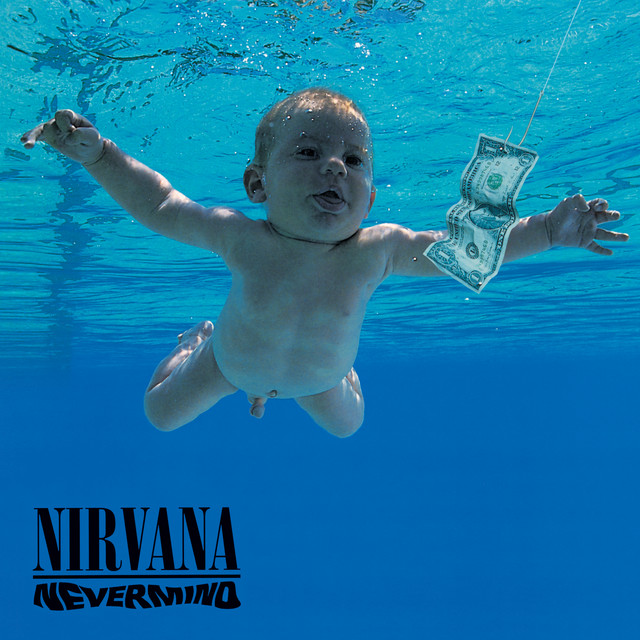
When Nirvana released "Smells Like Teen Spirit" as the lead single from their groundbreaking album Nevermind in 1991, few could have predicted its transformation into a rallying cry for disaffected youth. The track, with its raw energy and cryptic lyrics, encapsulated a feeling of rebellion that resonated with a generation grappling with societal norms.
Kurt Cobain, the band's enigmatic frontman, managed to articulate the angst of the early 90s with a blend of nihilism and irony. The song's famous opening riff, a cacophony of distortion and fervor, immediately grabs listeners, setting the stage for a lyrical exploration of teenage disillusionment.
A Rebellion Against Conformity
"Smells Like Teen Spirit" became an anthem not just for its sound, but for its content. The chorus, where Cobain wails,
, captures a sense of chaos and liberation that was palpable in the grunge scene. The phrase itself, seemingly nonsensical, hinted at a deeper commentary on youth culture's struggle against a conformist society."With the lights out, it's less dangerous"
As the 90s unfolded, the song's critique of mainstream culture grew increasingly relevant. Amidst rising consumerism and the pressures of societal expectations, Cobain's lyrics provided a counter-narrative, urging young people to question their surroundings rather than accept them blindly.
The Irony of Fame
Ironically, as Nirvana ascended to fame, they became the very thing they critiqued. Cobain’s discomfort with the commercial success of "Smells Like Teen Spirit" only fueled its status as a protest anthem. The very essence of the song became a paradox: a celebration of rebellion that also embodied the pitfalls of fame.
In interviews, Cobain expressed disdain for the way the song was marketed, saying it was often misunderstood. This discontent resonates in lines like
, where he reflects on the absurdity of popularity amidst feelings of inadequacy."I feel stupid and contagious"
Interestingly, the song's title was inspired by a graffiti scrawled on a wall by Cobain's friend, which read "Kurt smells like Teen Spirit," referencing a brand of deodorant, completely missing the intended irony.
Parody and Cultural Impact
The cultural impact of "Smells Like Teen Spirit" was so profound that it inspired parodies, including Weird Al Yankovic's "Smells Like Nirvana." This playful take on the original highlighted how deeply ingrained the song had become in the collective consciousness. Yet, even in parody, the underlying social commentary remained intact, as Yankovic's version poked fun at the absurdity of mainstream success while maintaining the spirit of rebellion.
In the wake of its release, the song became synonymous with the grunge movement, which was characterized by its rejection of glam and a push towards authenticity. Bands like Pearl Jam and Soundgarden followed in Nirvana's footsteps, each contributing to a landscape that valued raw emotion over polished production.
Legacy of a Protest Anthem
Decades later, "Smells Like Teen Spirit" continues to echo in the hearts of those who feel disenfranchised. Its legacy as a protest anthem endures, serving as a reminder of the power of music to reflect societal discontent. The song's ability to capture the spirit of a generation is what elevates it beyond mere nostalgia; it remains relevant in today's climate of social unrest and youthful rebellion.
As we look back on the 90s, it’s clear that "Smells Like Teen Spirit" was more than just a hit—it was a manifesto for a generation seeking to assert its identity amidst chaos. In an age where young voices are once again rising against the establishment, Cobain's call to question and resist feels as vital as ever.