Unpacking the Media Narrative
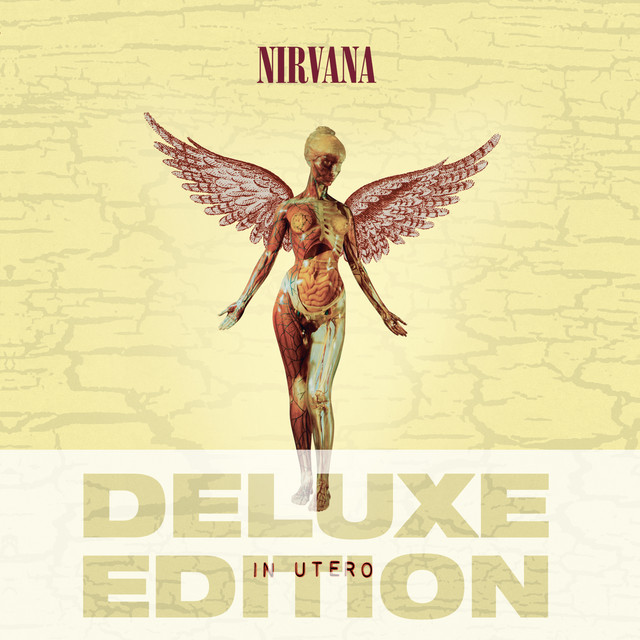
When Kurt Cobain wrote "Rape Me," he wasn’t merely crafting a song; he was launching an assault on the media’s relentless distortion of his life. Released in 1993 on Nirvana's final studio album, In Utero, the track stands as a raw declaration against exploitation and a critique of how fame can warp reality.
A Reflection of Pain and Anger
The title itself is confrontational, serving as a provocative metaphor for how the media violated Cobain’s privacy and autonomy. In a world where his every action was scrutinized, Cobain’s use of such a stark term was intentional. It forced listeners to confront the brutality of being in the spotlight. Lines like
can be seen as a direct challenge to both his audience and the media, asking them to consider their role in his suffering."Rape me, my friend"
Contrasting Public Perception
In the early '90s, Cobain was often portrayed as a tortured artist, a narrative that both intrigued and exploited his personal struggles. Songs like "Polly" highlighted the darker aspects of human experience, but they were often stripped of their context by a sensationalist press that preferred to focus on the tragedy rather than the artistry. With "Rape Me," Cobain flips this dynamic, using his platform to reclaim his narrative.
Media as a Cultural Predator
Throughout the song, Cobain’s repetition of the phrase can also be interpreted as a critique of how the media consumes artists, reducing them to mere caricatures. The line
emphasizes his desire for privacy, yet it’s an ironic plea in an industry that thrives on visibility and scandal. Cobain was acutely aware that every interview and public appearance was a potential trap, and this song became his method of resistance."I don't ever want you to see me"
Art as Activism
By blending brutal honesty with catchy melodies, Cobain turned "Rape Me" into a form of activism. The song's structure, with its abrasive verses and anthemic chorus, mirrors the duality of fame: it can elevate but also destroy. While Cobain's earlier tracks often explored personal trauma, here he broadens the scope to comment on cultural violence, positioning himself as a reluctant spokesperson for a generation.
Legacy of the Song
In retrospect, "Rape Me" can be viewed as a prescient commentary on the ongoing issues of celebrity culture and media exploitation. Cobain’s words echo through time, particularly as discussions about consent and media ethics remain relevant today. His defiance in the face of relentless scrutiny speaks volumes, making this song an enduring piece of art that transcends its era.
Conclusion: The Personal as Political
Ultimately, "Rape Me" serves as a powerful reminder of the complexities of fame and the media's role in shaping public perception. Cobain’s willingness to confront these issues head-on not only reflects his personal struggles but also invites listeners to question the narratives constructed around them. In doing so, he challenges us to find empathy in a world that often prioritizes sensationalism over truth.
Interestingly, "Rape Me" was performed live during Cobain's infamous MTV Unplugged session, showcasing its significance in his artistic journey.