The Dutch Roots of Grunge
Nirvana's debut single "Love Buzz" is often viewed through the lens of early grunge, a genre defined by its raw sound and emotional heft. However, the song's origins can be traced back to the Dutch rock band Shocking Blue, whose original version, released in 1969 on their album At Home, laid the groundwork for what would become a cornerstone of 90s alternative rock.
Shocking Blue's Sonic Landscape
Written by Robbie van Leeuwen, Shocking Blue's "Love Buzz" features a unique fusion of rock and psychedelia, characterized by its driving rhythm and haunting melodies. The original track's seductive bass line and ethereal vocals create an atmosphere that Nirvana would later harness, reinterpreting it through their own gritty lens.
A Grunge Revival
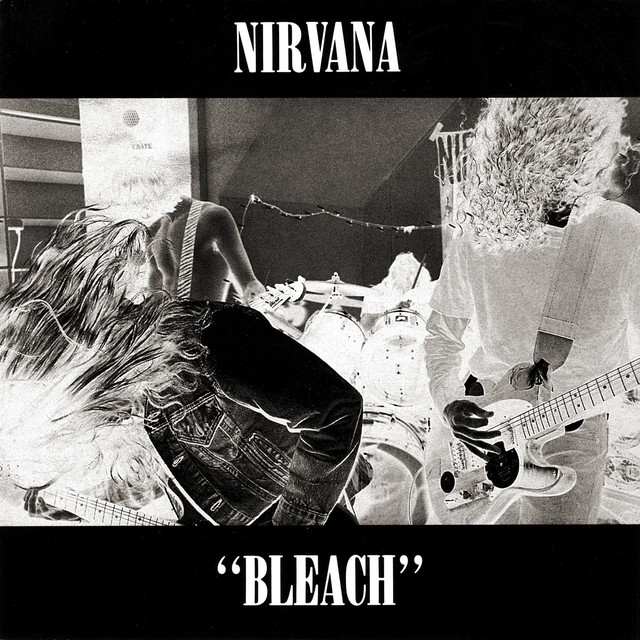
When Nirvana recorded their version, released by Sub Pop in June 1989, they infused it with a punk energy that starkly contrasted with Shocking Blue's more polished sound. The rawness of Kurt Cobain's vocals and the band's unrefined instrumentation shifted the emotional weight of the song, transforming it into an anthem for a disenchanted generation.
"I need you, I want you, I love you, I do"
This line, when delivered with Cobain's trademark angst, takes on a new meaning, reflecting the complexities of love and desire through the lens of 90s disillusionment. The juxtaposition of Shocking Blue's romanticism with Nirvana's chaotic energy exemplifies how the latter could reclaim a classic while also forging their own identity.
Production Choices and Influences
The production of Nirvana's "Love Buzz" also plays a significant role in how the song diverges from its predecessor. Produced by Jack Endino, the track employs distortion and a lo-fi aesthetic that would come to define the Seattle sound. This departure from the clean production of the original emphasizes the raw emotional core that Nirvana was known for.
A Lasting Legacy
Shocking Blue's influence extends beyond just this track. Their blend of rock, pop, and psychedelia paved the way for alternative and indie music in the years that followed. Nirvana's cover brought renewed attention to Shocking Blue, introducing a new audience to their catalog and cementing their place in rock history.
Interestingly, Shocking Blue was one of the first rock bands to feature a female lead vocalist, Mariska Veres, whose powerful voice was a precursor to the strong female presence in grunge and alt-rock.
Conclusion: A Circle of Influence
The relationship between Shocking Blue's "Love Buzz" and Nirvana's interpretation is a testament to the cyclical nature of musical influence. What began as a catchy, psychedelic rock tune transformed into a grunge anthem that captured the spirit of a generation. In revisiting and revitalizing a classic, Nirvana not only honored Shocking Blue's legacy but also paved the way for an entire movement.