Breaking the Mold of Grunge
Nirvana's "Lithium," released in 1991 on their iconic album "Nevermind," stands out not just for its lyrical content but for its unexpected musical structure. At first listen, it appears to fit neatly into the grunge genre, yet it defies conventions through a unique interplay of dynamics and song form. The song oscillates between quiet introspection and explosive choruses, a hallmark of Cobain's songwriting, yet it takes a distinct path that sets it apart from many of its contemporaries.
Dynamics and Structure
The song's structure is a study in contrasts. It begins with a subdued, almost haunting verse that allows Cobain's vulnerable lyrics to shine. Lines like
capture a sense of disillusionment wrapped in a cheerful facade. This juxtaposition of emotions is mirrored by the music itself, where the quiet verses lead to bombastic choruses that feel cathartic yet chaotic."I’m so happy 'cause today / I found my friends, they’re in my head"
This dynamic shift is not merely a stylistic choice but a thematic one. The presence of Lithium, a medication often used to treat mood disorders, reflects the push and pull between highs and lows. Cobain's vocal delivery emphasizes this struggle, going from a soft, almost resigned tone to a raw, anguished scream. The verse-chorus structure, while familiar, feels fresh and unpredictable in the context of grunge, which often relied on a more straightforward approach.
The Impact on Grunge
Comparative Analysis
Comparing "Lithium" to Nirvana's earlier track, "Endless, Nameless," we see a clear evolution in Cobain's songwriting approach. "Endless, Nameless" is an unfiltered explosion of noise, embracing chaos without the same level of emotional nuance. In contrast, "Lithium" provides a more structured exploration of emotional conflict, making it a crucial turning point for the band. This transition from raw energy to a more complex emotional landscape allowed Nirvana to reach a broader audience while still maintaining their edge.
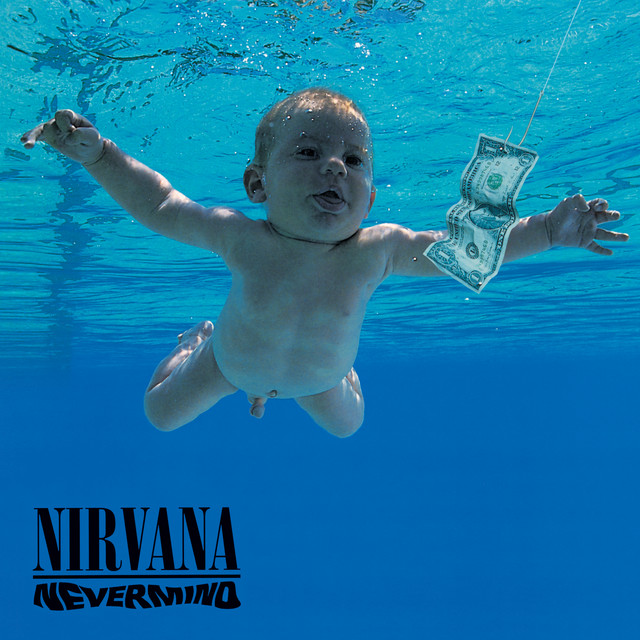
Nirvana's "Nevermind" became a cultural phenomenon, selling over 30 million copies worldwide and solidifying the band's place in music history.
Legacy and Influence
The legacy of "Lithium" lies not only in its infectious melody but also in its innovative approach to song structure. It opened the door for other artists to explore complex emotions and dynamic contrasts within their music. Bands such as Radiohead and Smashing Pumpkins adopted similar techniques, further evolving the sound of alternative rock.
Ultimately, "Lithium" is more than just a song about mental health; it represents a significant shift in the musical landscape of the early '90s. By challenging the conventional norms of grunge, Nirvana not only solidified their place in rock history but also laid the groundwork for future generations of musicians to explore the complexities of human emotion through sound.