A Folk Tradition Revisited
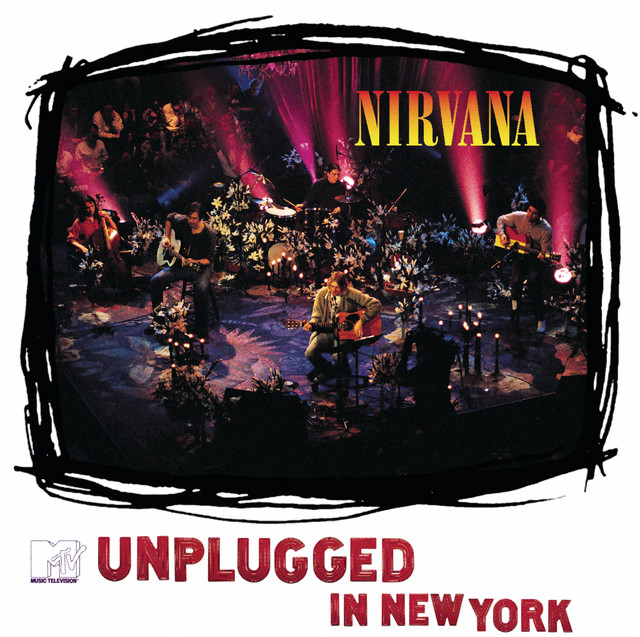
Nirvana's live rendition of "Lake of Fire," originally penned by Curt Kirkwood of the Meat Puppets, transcends the boundaries of grunge to tap into a rich vein of folk tradition. The haunting lyrics and sparse instrumentation capture a timeless quality that feels at once contemporary and steeped in history. Released on Nirvana's 1993 album MTV Unplugged in New York, this performance stands as a testament to the band's ability to reinterpret and revive the past.
The Weight of the Lyrics
The song addresses themes of mortality and the afterlife, as seen in the chilling line,
. This question evokes the age-old folklore surrounding death and the unknown, reminiscent of the tales told around campfires. The unsettling imagery presented in the song challenges listeners to confront their own beliefs about what lies beyond."Where do bad folks go when they die?"
Nirvana's Unique Interpretation
Kurt Cobain's delivery of the song adds an emotional depth that elevates it beyond mere cover. His raw, unfiltered vocals bring a sense of urgency and vulnerability that resonates with listeners. Through Cobain’s voice, the song becomes a haunting meditation on existence, echoing the sentiments found in traditional folk songs that grapple with life's fragility.
Folk Roots and Grunge Soundscapes
Folk music has long been a conduit for exploring complex themes, and "Lake of Fire" fits perfectly within that tradition. The minimalist arrangement—an acoustic guitar accompanied by a simple melody—harkens back to the folk revival of the 1960s, where storytelling was paramount. By stripping away the layers of grunge noise, Nirvana allows the song's lyrical content to shine.
Did you know? The Meat Puppets performed with Nirvana during the famous MTV Unplugged session, creating a unique collaborative experience that blended both bands' styles.
A Reflection of Cultural Anxieties
The themes presented in "Lake of Fire" also resonate with the cultural anxieties of the early '90s. As America grappled with issues of identity and existential dread in the wake of the Cold War, the song's exploration of death and the afterlife felt particularly relevant. Cobain's interpretation serves as a mirror reflecting society's fears and uncertainties.
Legacy of the Song
Over the years, "Lake of Fire" has evolved into a staple of alternative rock, showcasing Nirvana’s ability to bridge the gap between past and present. It has been covered by numerous artists, each adding their own flavor while maintaining the song's haunting essence. This live version stands out not just as a tribute to the Meat Puppets but also as a significant moment in Nirvana's artistic evolution.
Conclusion: The Power of Folk in Rock
Ultimately, Nirvana's "Lake of Fire" serves as a powerful reminder of the enduring nature of folk music and its ability to communicate universal truths. In a world increasingly disconnected from its roots, Cobain's performance invites us to reflect on our own mortality while celebrating the rich tradition of storytelling that connects us all.