Childhood Shadows
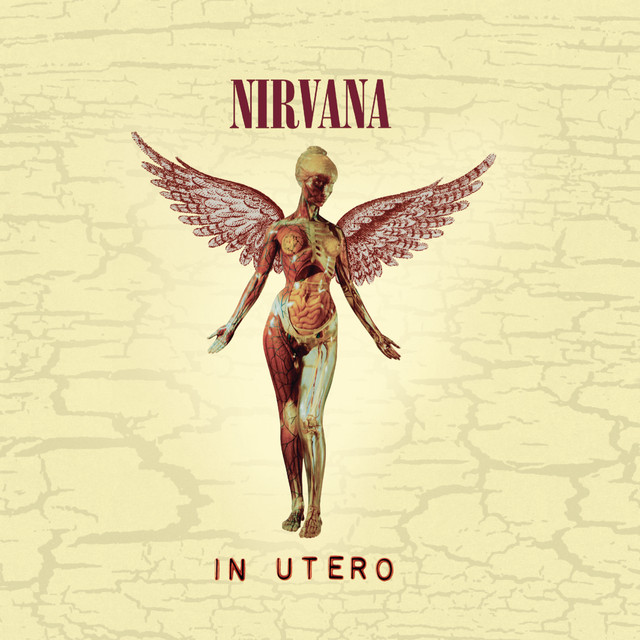
Kurt Cobain’s song "Dumb" from Nirvana's 1993 album, In Utero, is often dismissed as a simple expression of disillusionment. Yet, beneath its seemingly straightforward surface lies a complex interplay of personal history and emotional turmoil. Cobain's tumultuous childhood, marked by instability and alienation, profoundly influenced his writing, imbuing "Dumb" with layers of meaning that deserve deeper exploration.
Isolation and Alienation
Growing up in Aberdeen, Washington, Cobain faced a fragmented family life. His parents' divorce when he was just nine years old left a significant mark on him, fostering feelings of isolation that permeate his work. In "Dumb," he reflects on this sense of being an outsider. The opening lines, in their simplicity, hint at the internal struggle between self-acceptance and societal rejection.
"I’m not like them, but I can pretend"
This lyric captures the essence of Cobain's childhood experience. Feeling different from his peers, he learned to mask his true feelings, a survival tactic that resonates with anyone who has felt marginalized.
The Disconnect
The juxtaposition of the cheerful melody with the darker lyrics in "Dumb" mirrors Cobain’s own conflicts. He often used humor as a defense mechanism, a trait developed during his youth. The light, almost whimsical sound of the song contrasts sharply with its introspective content, revealing a man grappling with his identity. This duality is a testament to how childhood trauma can manifest in adult life, often leading to a disconnection from one’s true self.
Perception of Normalcy
Cobain's lyrics reflect a yearning for normalcy that he could never quite attain. The line,
"I’m not like them, but I can pretend"
is particularly poignant. It suggests a conscious effort to conform, to fit into a world that felt foreign and hostile. This pursuit of acceptance in a landscape of chaos speaks volumes about the pressures he faced as a child, pressures that stifled his authentic self.
Art as Catharsis
For Cobain, songwriting was not merely a means of creating music; it was a form of catharsis. In "Dumb," he channels his feelings of inadequacy and confusion, transforming painful memories into art. This process is evident in the raw honesty of the lyrics, where vulnerability and strength coexist. The song becomes a refuge, a space where he can confront his demons rather than flee from them.
A Legacy of Vulnerability
In hindsight, "Dumb" is emblematic of Cobain's broader artistic legacy. His ability to articulate feelings of alienation and despair resonated with a generation grappling with similar issues. The song's candid exploration of self-doubt and the struggle for identity continues to strike a chord today, highlighting the enduring impact of his childhood experiences.
Kurt Cobain often cited his childhood as a driving force behind his songwriting, indicating that many of his songs reflect his struggles with identity and acceptance.
Final Thoughts
Cobain's early life shaped not only his worldview but also his artistry. "Dumb" serves as a microcosm of his experiences, encapsulating the pain of feeling out of place. As listeners, we are offered a glimpse into the mind of a man who, despite his success, wrestled with profound feelings of inadequacy and isolation. In this way, "Dumb" is much more than a song; it’s a haunting reminder of how our past can shape our present.