The Call to Action
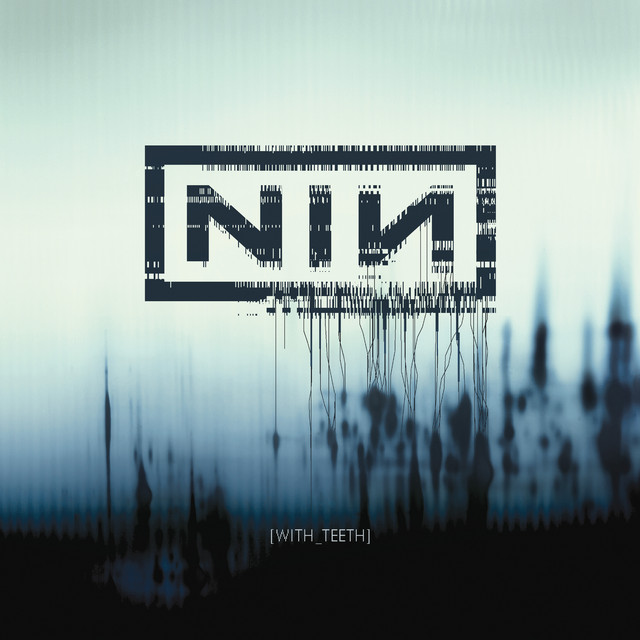
Released in 2005 as the lead single from their fourth studio album, With Teeth, Nine Inch Nails' "The Hand That Feeds" stands as a powerful anthem that channels frustration into a rallying cry. The industrial rock genre, characterized by its abrasive sounds and confrontational lyrics, has always had an inherent connection to social and political activism. Trent Reznor, the mastermind behind Nine Inch Nails, uses this track to critique the complacency that often pervades society.
A Reflection of Discontent
The song opens with a pulsating beat and layers of synthesized noise that evoke a sense of urgency. Reznor's vocals cut through this chaos, presenting a stark inquiry: "Will you bite the hand that feeds?" This line is not just a catchy hook; it challenges listeners to consider the consequences of compliance and complicity in the face of oppressive systems.
"Will you bite the hand that feeds?"
At its core, "The Hand That Feeds" is a metaphor for the relationship between power and submission, urging listeners to question authority rather than blindly accept it. The industrial rock ethos is rooted in a rebellion against mainstream norms, and Reznor channels this spirit effectively.
The Sound of Rebellion
The production of the song is quintessentially industrial, blending heavy guitar riffs with electronic beats, a hallmark of Reznor's style. Produced by Reznor himself, the track showcases the raw energy that drives industrial rock—an energy that is often harnessed for activism. This genre has a history of addressing societal issues, from the disillusionment of the working class to critiques of consumer culture, making it a natural fit for a message of rebellion.
Cultural Context
In the mid-2000s, America was embroiled in political turmoil, with the Iraq War and a contentious political climate dominating headlines. "The Hand That Feeds" emerged as a voice of dissent during this era, embodying the frustration felt by many. Reznor’s lyrics resonate with those who felt marginalized and voiceless, transforming personal angst into a collective battle cry.
Visual Impact
The accompanying music video further amplifies the song's message. Featuring a stark, monochrome aesthetic, it juxtaposes images of Reznor performing against a backdrop of chaos and disorder. The visual representation of unrest complements the song's themes, reinforcing the idea that action is necessary to combat apathy.
Did you know? "The Hand That Feeds" was a commercial success, reaching the top 10 on the Billboard Modern Rock Tracks chart.
Legacy of Activism in Industrial Rock
Nine Inch Nails is not alone in using industrial rock as a platform for activism. Bands like Ministry and KMFDM have long tackled political issues through their music. This genre thrives on the tension between the personal and the political, making it a powerful medium for those seeking to challenge the status quo.
As the years have passed, the relevance of "The Hand That Feeds" has not diminished. In a world where social media and grassroots movements have become vital tools for activism, the song serves as a reminder of the importance of questioning authority and taking action against injustice. The industrial rock genre remains a voice for the disenfranchised, and Reznor's work continues to inspire a new generation of activists.
A Timeless Anthem
Ultimately, "The Hand That Feeds" transcends its time, embodying the spirit of industrial rock as an art form that calls for resistance and self-awareness. It is a powerful reminder that art can serve as a catalyst for change and that the fight against oppression is ongoing. In a world hungry for change, Reznor's call to action remains as urgent as ever.