The Birth of a Defiant Anthem
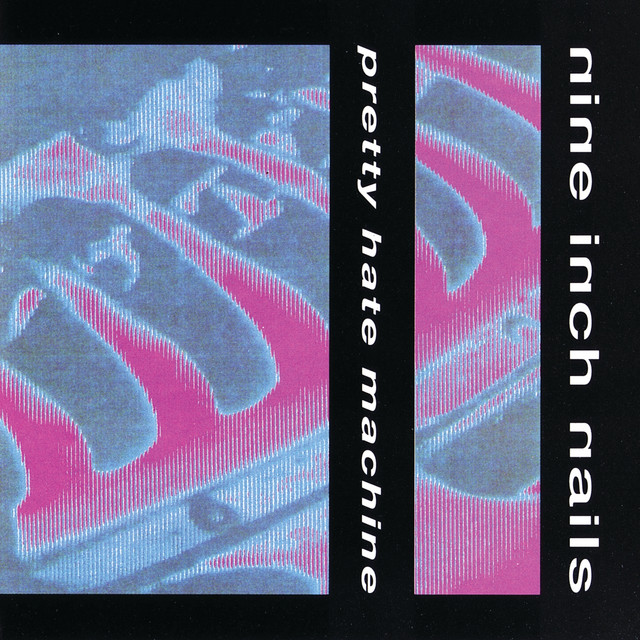
Released in 1989 as the second single from Nine Inch Nails' debut album, Pretty Hate Machine, "Head Like a Hole" quickly established itself as a defining moment in industrial rock. Produced by Reznor himself, the track combines raw aggression with industrial soundscapes, laying the groundwork for what would become a hallmark of his career.
From its inception, the song has served as an outlet for Reznor's feelings of alienation and frustration. The very title speaks to a rejection of societal norms and expectations, a theme that resonates throughout his body of work. Reznor's personal experiences with depression and turmoil fuel the fire behind the lyrics.
A Personal Rebellion
In "Head Like a Hole," Reznor's anger is palpable. It reflects a visceral response to authority and exploitation, encapsulated in the line:
"Head like a hole, black as your soul, I’d rather die than give you control."
This lyric captures the essence of rebellion against oppressive forces, be they external or internal. For Reznor, this rebellion is not just against societal expectations but also against his own demons. The song reveals a struggle for autonomy, a theme that he revisits throughout his career.
The Sound of Headspace
The sonic landscape of "Head Like a Hole" mirrors Reznor's mental state during the late '80s. The aggressive beats and distorted guitars create an atmosphere that feels both chaotic and controlled. This duality reflects the internal conflict that Reznor faced—an artist trying to carve out a space for his voice amid the noise of the world.
Moreover, the song's production is a testament to Reznor's innovative approach. He used synthesizers and drum machines to create a sound that was both futuristic and grounded in punk rock's ethos. This blending of genres perfectly encapsulates the dissonance of his headspace at the time.
Legacy of Defiance
Thirty-four years after its release, "Head Like a Hole" remains a relevant anthem for those grappling with their own struggles. Its themes of defiance and self-empowerment continue to resonate with listeners, proving that Reznor's connection to the material is both personal and universal.
The song's legacy is also evident in its cultural impact. Artists across genres have cited it as an influence, showcasing its timeless quality. The raw emotion embedded in the track serves as a reminder of the power of music as a form of expression and resistance.
Conclusion: A Reflection of Inner Turmoil
Ultimately, "Head Like a Hole" is more than just a song; it's a manifestation of Trent Reznor's internal battles. It speaks to the heart of what it means to struggle against both external and internal forces, making his journey relatable to many. As Reznor continues to evolve as an artist, the themes of this song remain a cornerstone of his identity.
The song was instrumental in launching Nine Inch Nails into mainstream success, cementing Reznor's status as a key figure in industrial music.