Existentialism and Industrial Soundscapes
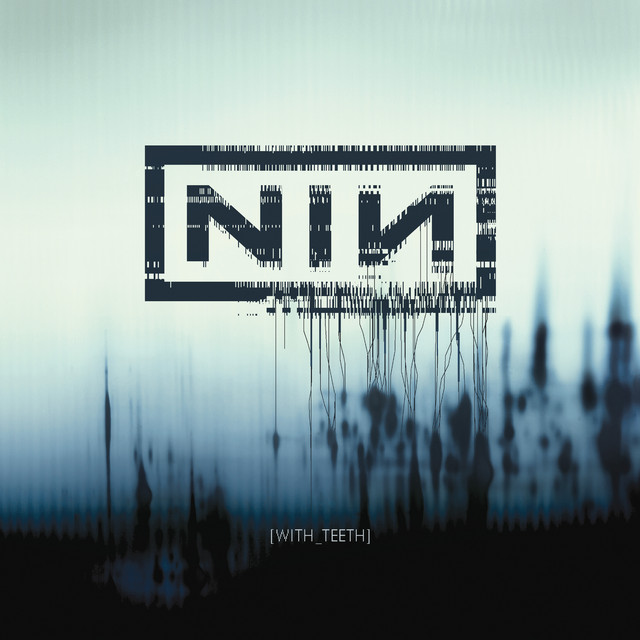
Nine Inch Nails' "Every Day Is Exactly The Same" stands out as a haunting reflection on the monotony of existence, profoundly influenced by existential philosophy. Released as the third single from the 2005 album With Teeth, this track captures the essence of a life stripped of meaning, a theme echoing through the works of existential thinkers like Jean-Paul Sartre and Albert Camus.
The industrial rock genre serves as a fitting backdrop for these sentiments, blending mechanical sounds with emotional rawness. Produced by Trent Reznor, the song's pulsating rhythm mirrors the oppressive weight of routine, a theme that existentialists often grapple with.
The Weight of Routine
In a world where each day bleeds into the next, Reznor's lyrics articulate the struggle against the mundane. The line,
starkly illustrates the feeling of entrapment. Pain, in this context, becomes the only anchor to reality amidst the fog of insignificance."I focus on the pain, the only thing that's real"
This emphasis on pain resonates with Sartre’s notion of existential angst, where individuals confront the absurdity of their existence. The daily grind is not just a backdrop; it becomes a character in its own right, suffocating and relentless.
Repetition as a Philosophical Tool
Repetition is a vital motif in existential philosophy, symbolizing the cyclical nature of life. Reznor's refrain,
, is not merely a statement of fact but a profound commentary on human experience. It underlines how individuals can become trapped in a loop, echoing Camus' concept of the Sisyphean struggle—endlessly pushing a boulder uphill, only for it to roll back down."Every day is exactly the same"
This cyclical despair is palpable in Reznor's delivery, where the mechanical quality of the instrumentation amplifies the feeling of being stuck. The sterile production contrasts sharply with the weight of the lyrics, creating an unsettling experience that reflects the disconnection many feel in contemporary society.
Existential Crisis and Self-Awareness
Reznor's exploration of existential themes doesn’t just stop at despair; it also touches on self-awareness. The admission of feeling trapped leads to a moment of clarity, a realization echoed in the line,
. Here, self-awareness morphs into self-loathing, a common theme among existential thinkers who contend that understanding one’s condition often leads to a deeper sense of isolation."I am just a worthless liar"
This journey of self-discovery, however bleak, is crucial in existential philosophy. It forces individuals to confront their choices and the absurdity of their situations, prompting a deeper inquiry into what it means to exist.
A Reflection of Modern Alienation
Released in a post-9/11 era, "Every Day Is Exactly The Same" also serves as a critique of the alienation prevalent in modern life. The mechanization of daily tasks and the numbing effects of technology create a dissonance between human experience and the artificial constructs of society.
Reznor's vision captures this disconnect perfectly, making the song not just a personal anthem but a universal lament for a generation grappling with the weight of expectation and the search for meaning. The track's unsettling atmosphere mirrors the existential void many experience when faced with the relentless march of time.
Conclusion: The Legacy of Existential Thought
Ultimately, "Every Day Is Exactly The Same" is more than a song; it is a reflection of existential philosophy woven into the fabric of industrial rock. Trent Reznor's ability to channel these themes into visceral soundscapes speaks to the power of music as a medium for exploring complex ideas about existence.
As listeners, we are invited to confront our own routines and the existential dread that comes with them. Nine Inch Nails have crafted a haunting reminder that, while every day may be the same, the struggle to find meaning in that sameness is uniquely human.
This track was a significant moment in Reznor's career, showcasing his evolution as an artist and his capacity to infuse complex themes into accessible music.