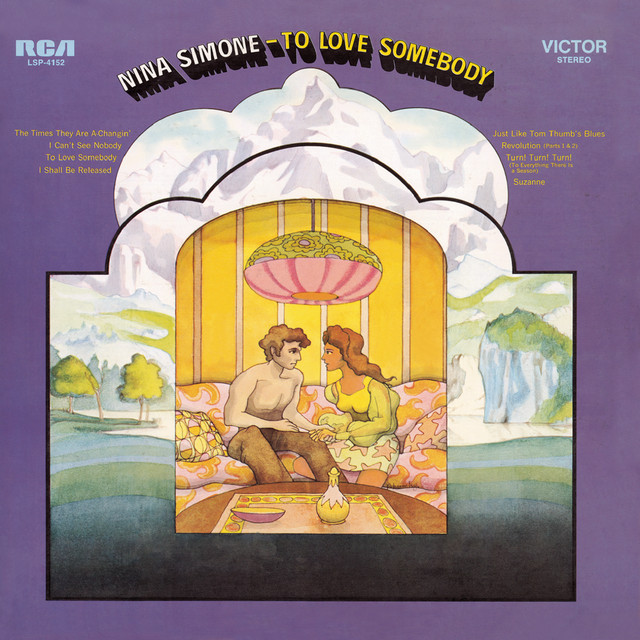
Love as a Revolutionary Act
Nina Simone's 1968 album To Love Somebody stands as a landmark in her extensive discography, but it is her cover of the Bee Gees’ title track that crystallizes her role in the civil rights movement. Released during a tumultuous period in American history, Simone’s version transformed a simple love song into a powerful anthem for social justice.
The Bee Gees originally penned the track, but Simone's interpretation injected it with fervor and urgency. Her soulful delivery and impassioned piano playing recontextualized the lyrics, transforming personal love into a call for collective liberation.
A Cry for Justice
Simone's rendition resonates against the backdrop of the civil rights struggle, where love became a radical act in the face of oppression. As she sings,
it’s hard not to hear the echo of countless activists who sought not just to love, but to be loved in a society that denied them basic humanity."To love somebody, to love somebody, oh, what a feeling!"
The album reached number 5 on the UK charts, solidifying Simone's international influence during a crucial time for the movement.
Simone's artistry was not just about music; it was about resistance. In the late 1960s, love was often politicized, especially among African Americans fighting for equality. Her version of To Love Somebody became an anthem for those who believed that love could lead to change. When she sings of longing and desire, it transcends personal relationships and touches on the yearning for justice.
Musical Rebellion
Produced by the legendary Hal Mooney, the album captures a raw emotionality that reflects Simone's own struggles and triumphs. The jazz elements in her performance underscore a sense of urgency, a musical rebellion that was as much about her identity as it was about the fight for civil rights. The arrangement, with its swelling strings and poignant piano lines, mirrors the tumultuous emotional landscape of the time.
Simone was not just a performer; she was a voice for the voiceless. The civil rights movement demanded a soundtrack, and her cover of To Love Somebody became an essential part of that cultural moment. It was not simply about singing; it was about making a statement. Each note she played was a reminder of the fight for love, dignity, and respect.
A Timeless Message
In many ways, Simone foresaw the future of protest music. Her ability to blend personal narrative with broader social issues paved the way for countless artists who would follow in her footsteps. The ethos of her rendition can be felt in the work of today’s musicians who use their platforms to address social injustices.
As current movements continue to grapple with issues of race, equality, and love, Simone’s To Love Somebody remains a powerful reminder that the fight for justice is intertwined with the quest for love. It serves as a timeless anthem that encourages us to not only love one another but to advocate for a world where love prevails over hate.