From Soul to Solidarity
Nina Simone's 'That's All I Ask' is often overshadowed by her more famous tracks, yet it embodies a deep yearning for dignity and justice, making it an unexpected anthem for the civil rights movement. Recorded during a period of intense social upheaval in 1964, the song captures the essence of a struggle that transcended music.
The Resonance of Personal Pleas
When Simone sings,
she articulates a universal desire for acceptance and understanding. This line resonates profoundly in the context of the civil rights movement, as African Americans were fighting for basic human rights and equality in a society that often denied them both."Just give me a chance to be me,"
A Voice of the Movement
Simone's connection to the movement deepened in 1964 when she performed at various civil rights events. Her music provided a voice for those who felt voiceless. The emotional weight of 'That's All I Ask' transformed it into a rallying cry among activists, underscoring the importance of self-identity and dignity.
Contextualizing the Era
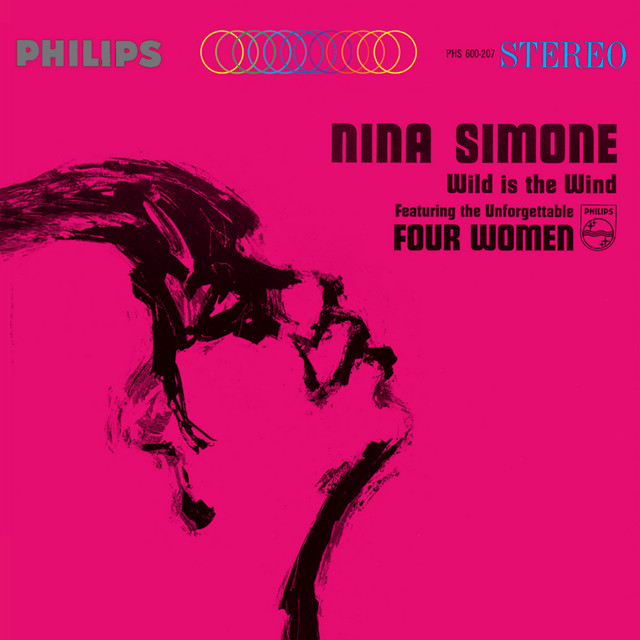
The song was part of the 1966 album, Is the Wind, which was compiled from earlier recordings, showcasing Simone's ability to blend genres—from jazz to blues to folk—into a powerful commentary on societal issues. At the time, her music was not merely entertainment; it was a form of activism.
Influence Beyond Borders
Interestingly, 'That's All I Ask' also found its way into the UK during a tour featuring Cy Grant, a prominent figure in the British civil rights movement. The song's message of longing and equality crossed the Atlantic, influencing a wide audience beyond America.
A Legacy of Hope
Simone's raw emotion in 'That's All I Ask' is palpable. In a poignant moment, she implores,
words that echo the desires of those fighting for civil rights. The yearning for love and trust is at the heart of every struggle for justice, making this song a timeless anthem."I just want your love and your trust,"
The Power of Covers
The song has since been covered by various artists, hinting at its lasting impact. Each rendition breathes new life into its core message, proving that the fight for dignity and respect continues on multiple fronts.
Conclusion: A Call to Action
'That's All I Ask' remains a significant piece of musical history, embodying the spirit of a movement that sought not just civil rights but an affirmation of humanity. As we reflect on its legacy, we recognize that Simone's plea is as relevant today as it was in the 1960s.