The Voice of Liberation
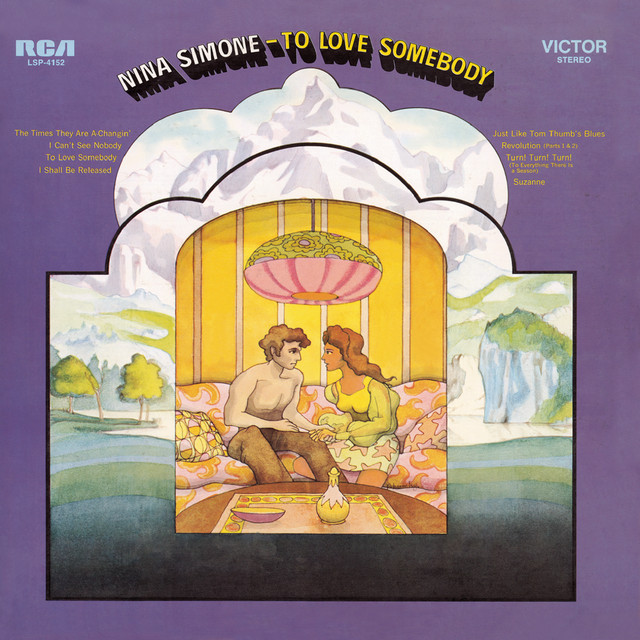
Nina Simone’s version of Bob Dylan’s "I Shall Be Released," released in 1969 on her album Black Gold, transcends mere musical interpretation. It became a rallying cry for the civil rights movement, embodying the despair and hope of a generation yearning for freedom and equality. Simone’s soulful delivery lent an urgency to Dylan’s lyrics, transforming them into an anthem of liberation.
Emotional Resonance
Simone’s rendition is marked by a haunting piano arrangement and her powerful, emotive vocals. When she sings,
the imagery evokes a sense of both personal and collective redemption. This line speaks to the struggles faced by African Americans, illuminating the path towards justice and equality."I see my light come shining, from the west down to the east,"
A Call to Action
What sets Simone’s version apart is the context in which it was embraced. The late 1960s were tumultuous, marked by protests, marches, and a growing awareness of systemic racism. Simone was not just a singer; she was a fierce advocate for civil rights. Her interpretation of "I Shall Be Released" became an anthem for activists, encapsulating their desire for change. The song's repetitive refrain—
—echoes the hopes of those fighting for their rights, making it a staple at rallies and gatherings."I shall be released"
Personal Struggles and Public Impact
Simone’s own life was fraught with challenges, yet she channeled that pain into her music. During the civil rights movement, she faced discrimination and financial struggles, often using her platform to elevate the voices of the oppressed. Her interpretation of Dylan’s work was not just a cover; it was a reinvention that aligned with the era’s demands. The passion she infused into the song resonated with listeners, who found solace and strength in her words.
Cultural Significance
The cultural impact of "I Shall Be Released" extended beyond the music itself. It became a symbol of the struggle for civil rights, often played during demonstrations. The song’s universal themes of longing for freedom and the quest for justice made it relevant across various social movements. Simone’s artistry provided a soundtrack for a generation that demanded change, proving that music could be a powerful tool for activism.
Interestingly, Simone's rendition was one of many covers of Dylan's song, but she infused it with a unique emotional depth that has left a lasting legacy.
Legacy and Continued Relevance
Decades later, "I Shall Be Released" continues to inspire new generations of activists. The song's message remains urgent as issues of systemic racism and inequality persist. Simone’s interpretation serves as a reminder of the power of music to reflect societal struggles and inspire action. As we reflect on the civil rights movement, it’s essential to acknowledge how artists like Nina Simone shaped the narrative and galvanized change through their art.
Conclusion
Nina Simone’s "I Shall Be Released" stands as more than just a song; it is a historical artifact that encapsulates the spirit of the civil rights movement. Her passionate rendition not only honors Bob Dylan's lyrics but also enhances them, embedding them in the fight for justice. In a time when voices were silenced, Simone’s music became a beacon of hope, reminding us that the quest for freedom is ongoing.