The 90s Influence
Nicki Minaj's "Super Bass," released in 2010, stands as a vibrant testament to the evolution of hip-hop and pop. While it’s easy to view the track as part of the early 2010s pop landscape, its roots dig deep into the 90s hip-hop scene, reflecting a time when lyricism and rhythmic flair were paramount.
Produced by Kane Beatz, "Super Bass" blends catchy hooks with a pulsating beat that feels both contemporary and nostalgic. The influence of 90s artists like Missy Elliott and Lil' Kim is palpable. Minaj's playful delivery and clever wordplay echo the bravado of her predecessors, while her ability to seamlessly shift from rapping to singing showcases a duality reminiscent of the era.
Lyrical Playfulness
Minaj's lyrics in "Super Bass" are marked by a playful confidence that channels the spirit of 90s hip-hop. Lines like “This one is for the boys with the booming system” not only set a scene but also invite listeners into her world, reminiscent of how 90s rappers would paint vivid pictures with their words. This approach mirrors the storytelling techniques often employed by artists like A Tribe Called Quest and The Notorious B.I.G., who made their environments as much a part of their music as the beats themselves.
"This one is for the boys with the booming system"
The song's infectious chorus and the way Minaj weaves between her rap and a melodic delivery can be traced back to the ground laid by female pioneers in hip-hop. Missy Elliott’s “Work It” and Lil' Kim’s “Crush on You” showcased how female rappers could assert their identities with both swagger and vulnerability. Minaj taps into this rich vein while adding her own unique flair.
Production and Sound
The production of "Super Bass" further cements its 90s influence. The thumping bassline and the playful synths harken back to the era's penchant for upbeat, danceable tracks. It’s a sound that invites comparison to tracks like “Jump Around” by House of Pain, which also utilized energetic beats to create an undeniable party atmosphere.
Did you know? "Super Bass" became one of the first songs by a female rapper to achieve diamond certification by the RIAA.
Additionally, the song's structure, featuring rapid-fire verses followed by catchy hooks, reflects the classic hip-hop formula perfected in the 90s. The way Minaj shifts her vocal tone—switching from a sultry whisper to a full-on rap—is a technique that many 90s artists mastered, allowing them to maintain listener interest while showcasing their versatility.
Cultural Impact
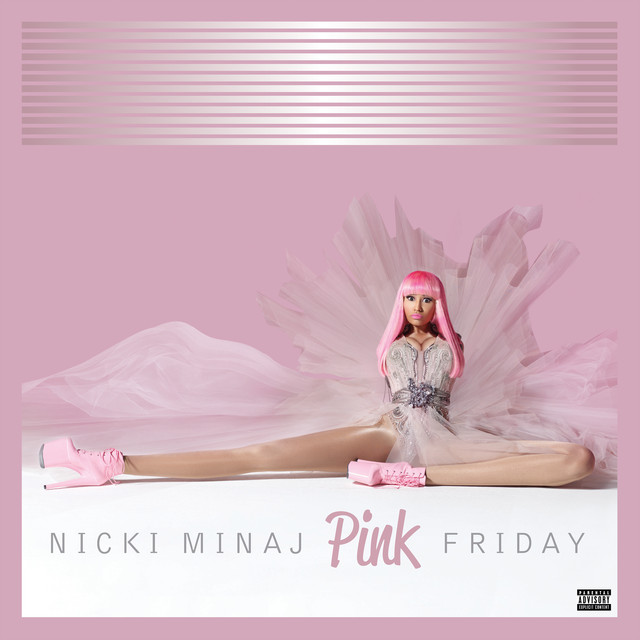
Beyond its musical influences, "Super Bass" played a crucial role in shaping pop culture at the time of its release. As a part of Minaj's debut album, Pink Friday, the song helped to redefine the role of women in hip-hop, showcasing how they could occupy both the rap and pop spheres without compromise. This duality is reminiscent of how 90s artists like Salt-N-Pepa and Queen Latifah broke barriers while maintaining their authenticity.
Minaj's embrace of bold fashion and her larger-than-life persona also borrowed heavily from the 90s aesthetic, where artists used visual elements to enhance their musical narratives. The playful color palettes and exaggerated styles in her music videos echo the vibrant visuals of the era, further connecting her work to the past.
A Lasting Legacy
Ultimately, Nicki Minaj's "Super Bass" stands as a bridge linking the rich legacy of 90s hip-hop with the evolving landscape of contemporary music. Its infectious sound and lyrical wit not only celebrate the influences of the past but also pave the way for a new generation of artists to draw from those foundations. As Minaj continues to assert her place in music, the echoes of the 90s remain a vital part of her artistry.