The Genesis of a Classic
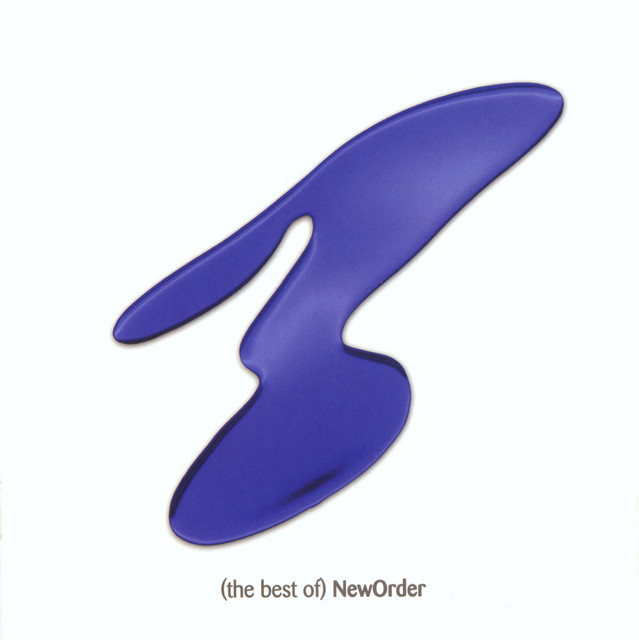
When New Order released "Blue Monday" in 1983, it marked a pivotal moment in music history. Blending post-punk with the emerging electronic sound, the original single became a sensation, but it was the 1988 remix that truly cemented its status. The '88 version was a refined take, remastered with the era's advancements in production, and its impact would ripple through the dance music scene for decades.
A New Sound for a New Generation
Produced by Stephen Hague, "Blue Monday '88" transformed the already iconic track into a club-ready anthem. With its punchy bassline and synthesized beats, it laid the groundwork for the house and techno movements that were gaining traction across Europe and North America. The song's distinct sound influenced countless artists who would follow in New Order's footsteps.
"How does it feel?"
This question, repeated throughout the song, serves as an invitation to listeners, urging them to engage with the music on a visceral level. This call-and-response dynamic was vital in establishing the emotional connection between the artist and the audience on the dance floor.
The Dance Floor Revolution
The late '80s and early '90s saw a seismic shift in nightlife culture. "Blue Monday '88" became the soundtrack to this transformation, embodying the euphoric highs of clubbing. Its infectious energy encouraged a new wave of DJs to embrace electronic music, shaping the very essence of the modern dance floor.
The original "Blue Monday" is the best-selling 12-inch single of all time, with over three million copies sold worldwide.
Cultural Impact and Legacy
Fast forward to today, and the influence of "Blue Monday '88" is undeniable. Artists like Daft Punk and The Chemical Brothers frequently cite New Order as a key inspiration. The track's fusion of rock and electronic music paved the way for genres like electronic rock and synth-pop, leaving an indelible mark on popular music.
A Continuous Evolution
Even as electronic music continues to evolve, the foundational elements that New Order introduced in "Blue Monday '88" remain crucial. Its rhythmic complexity and emotive lyrics set a standard for what dance music could achieve, both sonically and atmospherically. The track proved that electronic music could not only make people dance but also evoke deep feelings.
"When it’s time to change, then it’s time to change."
These lyrics underscore a broader truth in music: evolution is essential. New Order’s willingness to adapt and innovate with their sound has inspired countless artists to experiment, ensuring that electronic music remains a dynamic and transformative force.
Conclusion: A Lasting Legacy
Ultimately, "Blue Monday '88" is more than just a song; it's a cultural landmark that signifies the evolution of electronic music and the dance floor experience. Its legacy continues to inspire new generations of musicians and dancers alike, proving that great music transcends time and genre. New Order not only defined a moment in music history but also carved out a future for the sounds that would follow.