New Order and the '80s Music Scene
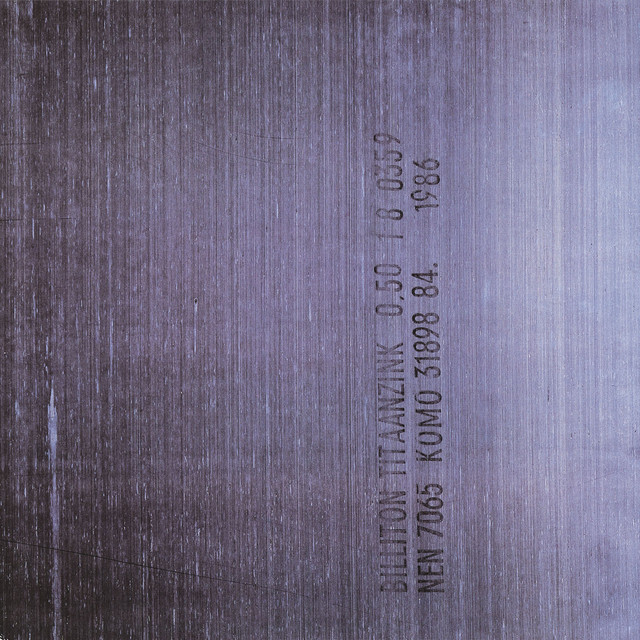
When New Order released "Bizarre Love Triangle" in November 1986, they were not just creating a hit; they were intertwining the sound of synth-pop with a message that would resonate within the LGBTQ+ community. This track, from their fourth studio album, Brotherhood, marked a significant point in their career, serving as a breakthrough single in both the United States and Australia.
The song's infectious beat and unmistakable hooks are paired with lyrics that reflect complex emotional dynamics, a hallmark of New Order's songwriting. The band, formed from the ashes of Joy Division, found their footing in a post-punk world that was evolving rapidly, and they embraced a sound that was both accessible and evocative.
LGBTQ+ Themes in the Lyrics
At first glance, "Bizarre Love Triangle" might seem like a straightforward tale of love and longing, but its lyrics delve into the confusion and turmoil often felt in romantic entanglements. The line,
captures that sense of desperation, layered with an underlying sense of hopelessness. This resonates deeply with the LGBTQ+ experience, where love is often fraught with societal pressures and personal struggles."Every time I see you falling, I get down on my knees and pray"
The ambiguity in the song’s love triangle reflects the complexities faced by many in the LGBTQ+ community. The struggle between desire and acceptance mirrors the challenges of navigating relationships in a world that often feels hostile. New Order’s willingness to embrace this ambiguity set them apart, offering a narrative that was inclusive rather than prescriptive.
Musical Influence and Cultural Impact
Musically, "Bizarre Love Triangle" stands as a testament to the evolution of electronic music in the '80s. Produced by Stephen Hague, the track blends synthesizers with driving bass lines, creating a sound that would influence countless artists across genres. The danceability of the song made it a staple in clubs, particularly within the LGBTQ+ nightlife scene, where it became an anthem for self-expression and liberation.
In 1986, the LGBTQ+ community was grappling with the AIDS crisis, and music became a vital outlet for expression and solidarity. New Order's music provided a soundtrack for a generation seeking both refuge and empowerment.
The song's impact extended beyond the dance floor. It has been covered and remixed by numerous artists, each bringing their own interpretations while maintaining the essence of the original. This continued relevance speaks to the universal themes of love and uncertainty that New Order captured so well.
A Legacy of Representation
As the years have passed, "Bizarre Love Triangle" has solidified its status as a classic, but it also represents a pivotal moment in music history where LGBTQ+ representation began to gain ground. Artists like New Order paved the way for future generations to express their identities through music. The song’s exploration of complex relationships in a world filled with barriers has provided a voice for those who often feel voiceless.
In an era where mainstream music is increasingly inclusive, it’s essential to recognize the foundations laid by bands like New Order. Their willingness to explore themes of love, longing, and identity has helped shape the narrative around LGBTQ+ representation in music, making it not just a topic of conversation but a living, breathing aspect of the art form.
Conclusion
Bizarre Love Triangle isn’t just a catchy '80s tune; it’s a reflection of a time when the music industry began to embrace diversity and complexity in ways that were previously uncharted. New Order's contribution to this dialogue cannot be overstated, as they continue to inspire new artists to explore the multifaceted nature of love and identity. In doing so, they remind us that music can be a powerful medium for representation and change.