The Power of Place
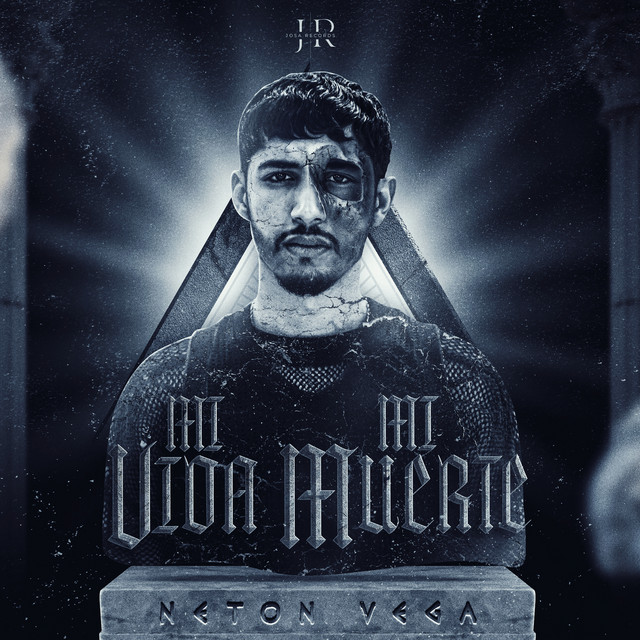
In the vibrant world of Latin music, authenticity often hinges on the use of regional vernacular. Netón Vega’s single "3," a standout from his debut album Mi Vida Mi Muerte, exemplifies this notion with its rich tapestry of slang from La Paz, Baja California Sur. By integrating local expressions, Vega not only captures the essence of his roots but also delivers a narrative that resonates with the everyday experiences of his audience.
Language as Identity
Regional slang serves as a powerful vehicle for identity, and Vega’s choice of words in "3" reflects a genuine portrayal of life in his coastal hometown. Phrases that might seem obscure to outsiders become profound signifiers of belonging for locals. This linguistic authenticity is not just a stylistic choice; it’s an assertion of cultural pride. For instance, when he sings about the nuances of love and heartbreak, the local slang adds layers of meaning that elevate the song beyond mere sentimentality.
"Aquí todo el mundo sabe lo que es amar y sufrir"
This line encapsulates the universal nature of love and pain while grounding it in a specific cultural context. Vega's use of regional slang invites listeners to share in a collective experience, emphasizing that while emotions may be universal, the way we express them is deeply rooted in our geographical and cultural backgrounds.
Breaking Down Barriers
In today's globalized music industry, where artists are often pressured to conform to mainstream trends, Vega's commitment to using local dialects stands out. It challenges the norms of commercial music that often favors generic language to appeal to broader audiences. By prioritizing authenticity, Vega not only enhances his artistry but also fosters a deeper connection with his listeners, who may find solace in recognizing their own experiences reflected in his lyrics.
Local Lyrics, Global Appeal
Vega's regional slang doesn’t alienate; instead, it broadens his appeal. Fans from outside of La Paz may not understand every term, yet the emotions conveyed through the music speak volumes. This is a testament to the power of music as a universal language, capable of transcending linguistic barriers. Vega's authenticity invites listeners into his world, allowing them to experience a slice of life in Baja California Sur.
Production and Context
Produced with a keen ear for the sounds that define contemporary Latin music, "3" is layered with infectious rhythms and melodic hooks that complement Vega’s lyrical prowess. The song's arrangement, blending traditional elements with modern pop sensibilities, mirrors the dichotomy of Vega’s identity—rooted in tradition yet unafraid to innovate. This duality is critical in making his music relatable while still retaining its unique flavor.
Netón Vega's debut album, Mi Vida Mi Muerte, was released in December 2024, showcasing his growth as a musician and storyteller.
The Future of Regional Representation
As artists like Netón Vega continue to embrace their regional identities, the conversation around authenticity in music becomes increasingly relevant. The inclusion of local language and slang not only enriches the narrative but also empowers a new generation of musicians to celebrate their roots. Vega’s "3" is a reminder that music can be both personal and universal, providing a canvas for stories that are often overlooked in mainstream narratives.
In a world where music is often homogenized, Vega’s choice to weave regional slang into his lyrics is a bold statement of authenticity. It’s an invitation to listeners to not only hear his story but to feel it deeply, connecting them in a way that transcends mere entertainment.