The Context of '99 Luftballons'
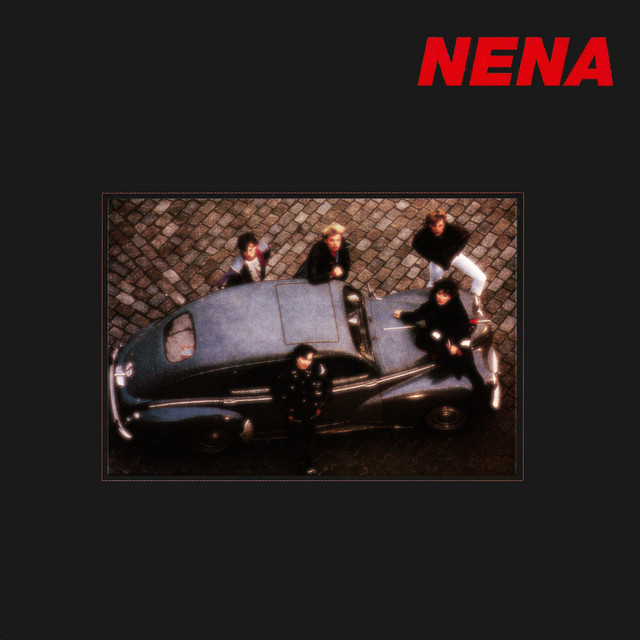
Nena's '99 Luftballons' was released in 1983 as part of their self-titled album, a time when the Cold War cast a long shadow over Europe. The song’s infectious melody and stark lyrics reflect the anxiety of a generation living under the threat of nuclear war. In just over three minutes, it captures the absurdity of conflict, making it one of the most memorable anti-war songs of its era.
A Simple Premise with a Heavy Message
The premise is deceptively simple: a group of children releases 99 balloons, which are mistaken for enemy aircraft, triggering a catastrophic chain reaction. The narrative serves as a vivid metaphor for the paranoia that defined Cold War geopolitics. As Nena sings,
, the innocent act of releasing balloons transforms into a harbinger of doom."99 Luftballons auf ihrem Weg zum Horizont"
Cold War Paranoia and Its Reflections
The lyrics paint a picture of how easily misunderstandings can escalate into conflict. The line
captures the pervasive fear that distrust shapes perspectives during wartime. The idea that freedom of thought could lead to catastrophic outcomes underscores the absurdity of the political climate."Das Denken war frei, die Gedanken waren schlecht"
The Sound of Protest
Musically, '99 Luftballons' melds new wave and pop, creating a catchy yet unsettling anthem. The upbeat sound belies the serious message, a tactic that makes the song even more potent. It's a classic example of how pop music can serve as a platform for political commentary, with the infectious chorus inviting listeners to dance while grappling with heavy themes.
A Global Anthem
The song's international success, particularly in the U.S. and the U.K., highlights its universal appeal. The English version, released on the compilation album '99 Luftballons (International Album)' in 1984, brought the message to a broader audience. Despite the language barrier, the song’s themes of war and peace resonated across cultures, making it a global protest anthem.
A Lasting Legacy
Today, '99 Luftballons' remains relevant as tensions continue to flare in various parts of the world. Its critique of militarism and the fragility of peace echoes in contemporary conflicts, reminding listeners of the consequences of fear-driven politics. The song stands not only as a relic of the 1980s but as a call to reflect on the costs of war.
'99 Luftballons' was produced by Reinhold Heil and Manfred Praeker, contributing to its iconic sound that blends synth-pop with a striking message.
Conclusion
Nena's '99 Luftballons' is more than just a catchy tune; it’s a sharp critique of a world teetering on the brink of nuclear disaster. As listeners, we are reminded of the power of music to reflect societal fears and provoke thought. In a world still grappling with similar issues, the song's message remains vital.