The Weight of Stardom
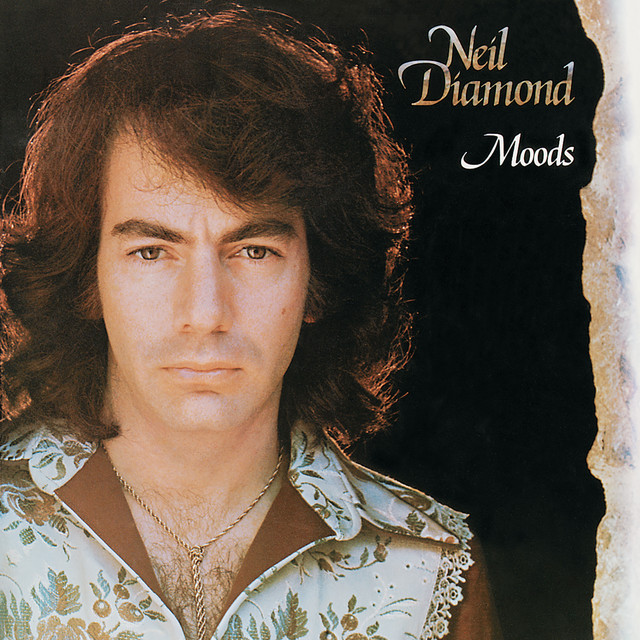
Released in 1972 as the lead single from his album Moods, Neil Diamond's "Play Me" is more than just a love song; it’s a reflective commentary on the artist’s own turbulent relationship with fame and intimacy. With a career that has seen him sell over 130 million records worldwide, Diamond’s experiences with the spotlight often feel more like a burden than a privilege. This track, recorded in Los Angeles, captures that ambivalence beautifully.
Vulnerability in Melody
Musically, "Play Me" is grounded in a lush ballad style that highlights Diamond's smooth vocals. The production is rich yet understated, allowing the lyrics to take center stage. The melody invites listeners to lean in, creating an intimate atmosphere that contrasts sharply with Diamond's public persona. One might think that the fame would bring joy, yet the lyrics reveal a deeper struggle.
"You are the sun, I am the moon..."
Here, Diamond conveys a sense of longing and dependency, illustrating how he sees himself in relation to others. This duality—of being a public figure yet feeling isolated—pervades the song. The metaphor of the sun and moon captures that yearning for connection, while acknowledging the inherent distance that fame creates.
Intimacy Amidst Isolation
Diamond's lyrics do not shy away from the darker aspects of relationships. The line,
emphasizes a desire for genuine connection, something that often eludes those caught in the whirlwind of celebrity. This juxtaposition of public adoration and private loneliness is a recurring theme in Diamond's work, making it relatable for anyone who has struggled to find true intimacy."And when you smile, I can feel your heart..."
A Reflection of Personal Struggles
What amplifies the impact of "Play Me" is its timing. Released during a period when Diamond was rising to fame, the song serves as a mirror reflecting his internal conflicts. The disparity between his public image as a chart-topping star and his personal insecurities gives the track an authenticity that resonates with listeners. It’s a reminder that the glitz of fame often hides the complexities of personal relationships.
Neil Diamond wrote "Play Me" in a time of personal upheaval, creating an emotional landscape that many fans found relatable.
A Lasting Legacy
Ultimately, "Play Me" stands as a testament to Neil Diamond’s ability to channel his personal struggles into his music. By exposing his vulnerabilities, he invites listeners to reflect on their own experiences with love and loneliness. The song's enduring popularity speaks to its universal themes, making it a timeless piece in Diamond's extensive discography.
In a world where the lines between public persona and private self are often blurred, Diamond's narrative in "Play Me" remains relevant. It’s a powerful reminder of the cost of fame and the quest for genuine connection, a theme that continues to resonate across generations.